Ever thought running a restaurant would be all about food... until a POS system gave you a headache?
If you've just opened your restaurant and you're already drowning in tech terms, hidden fees, and support calls, welcome to the club. Choosing between Toast and Butter POS might seem like a small step, but it can make a big difference in how smoothly your startup runs.
In this guide, we'll compare both systems from a startup's point of view with no fluff, no tech talk, just what you really need to know before you pick the system that runs your show.
Let's get started.
Meet the Contenders – Butter POS Vs. Toast POS
» Butter POS
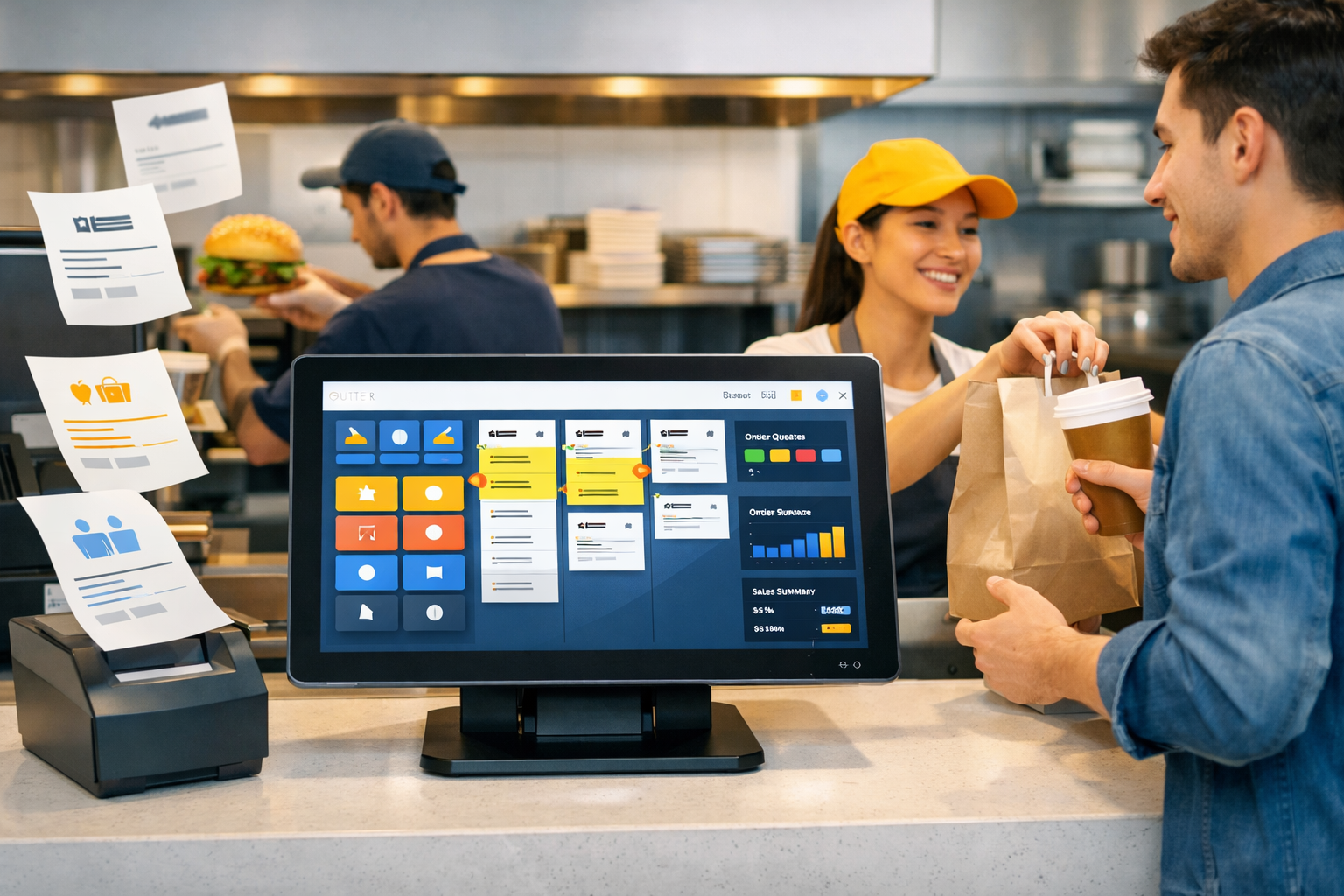
Butter POS is designed with small restaurant teams in mind, especially those opening their first location. It keeps things simple, smooth, and focused on what matters: taking orders, billing customers, managing tables, and staying in control.
There's no complicated setup, no hidden tech traps, and no need to hire a tech team to figure things out. You get a clean, easy-to-use system that helps you move fast, make fewer mistakes, and stay one step ahead, even on a busy weekend.
It's made for startup owners who want a system that just works, without the drama.
» Toast POS
Toast POS is one of the most popular names in the restaurant tech world. It comes with a long list of features, including online ordering, loyalty programs, and advanced reporting tools.
But with those features comes a learning curve. Toast can be powerful, but it's also heavier — in both setup and cost. It often suits larger operations, franchises, or restaurants that already have systems and staff in place to manage the backend.
For a startup, Toast might feel like using a spaceship to deliver pizza — possible, but maybe more than you really need.
What Problems to Consider While Choosing a POS for a Startup?
Before you pick a system, it's important to understand the real-world challenges new restaurant owners face. Let's break down what truly matters.
1) Budget is Tight, Every Dollar Counts
Let's be honest, when you're opening a restaurant, every dollar matters. Whether it's paying staff, stocking ingredients, or fixing a fryer that broke on day two, there's always something that needs your money.
And when it comes to choosing a POS system, cost isn't just about the monthly fee — it's the total package: hardware, setup charges, support fees, add-ons… and sometimes even surprise charges you didn't see coming.
-
Butter POS Keeps It Simple and Clear
Butter POS was built with startups in mind, and that shows in its pricing. You get a complete system without getting nickel-and-dimed for every little feature. No surprise fees, no complex hardware requirements. Most restaurant owners can run it smoothly using a modern Android device or tablet they already have.
-
Toast POS Can Feel Costly for Newcomers
Toast POS, on the other hand, comes with more bells and whistles, but they often come at a price. There's custom hardware involved, which means upfront investment. The monthly subscription can also climb fast, especially if you start adding modules like online ordering or gift cards.
2) Small Teams, No IT Department
Most new restaurant owners start with a small crew, a chef, a few servers, maybe a family member running the counter. There's no dedicated "tech guy" waiting to fix issues when the screen freezes or the printer stops working mid-shift.
So, your POS system needs to be something your team can learn fast, use easily, and fix without panic.
-
Butter POS Feels Like Part of the Team
Butter POS was made to be picked up and used within minutes, not hours of training or flipping through manuals. The interface is clean, the buttons are where you expect them to be, and everything is designed with small, busy teams in mind.
If someone new joins your team tomorrow, you won't need to block out half the day to "teach them the system." Most users get the hang of it in one shift.
-
Toast POS Takes More Time to Learn and Manage
Toast has plenty of powerful tools under the hood, but for a new restaurant, the system can feel like too much too soon. There's a lot to explore, and some parts of the interface aren't as beginner-friendly as you might expect.
Training staff can take longer, and managing the backend (menus, settings, modifiers) often requires some trial, error, and patience. That's not ideal when you're already wearing five hats and just trying to survive the dinner rush.
3) Support That Actually Shows Up When You Need It
When you're running a brand-new restaurant, you don't have room for tech meltdowns. One glitchy printer or frozen screen can cause delays, long lines, and angry customers, none of which you need when you're just trying to build trust and get good reviews.
So here's the real question: When something goes wrong, how quickly can you get help?
-
Butter POS Talks to You Like a Human
Butter POS doesn't make you go through layers of automated menus or wait 12 hours for a reply. Their support is built for small businesses, fast, responsive, and humanized.
Whether it's a quick setup question or an issue during your lunch rush, help is just a call or message away. The team knows the urgency of startup life. This kind of support isn't a bonus for startups, it's survival.
-
Toast POS Support Feels... Big Company-ish
Toast's support system works — eventually. But like most big platforms, it's structured for scale, not speed. You often have to submit tickets, wait in line, and navigate help articles while trying to solve an urgent issue.
There's also a lot of "self-service" involved, which sounds fine until your order screen freezes mid-shift and no one's picking up the phone.
4) Features You'll Actually Use (Not Just Pay For)
When you're just starting out, you need a POS that helps you run your day-to-day operations smoothly — not one that drowns you in extra options you don't have time to figure out. Fancy tools are great… but not if they slow you down or eat into your budget.
-
Butter POS Stays Focused on What Matters
Butter POS focuses on the core essentials every startup needs:
- Easy order taking
- Fast, accurate billing
- Clear table management
- Fraud prevention tools that keep your sales honest
Nothing feels cluttered or overcomplicated. You won't find 50 features you'll "maybe use someday" because the system is designed to keep you focused on running your restaurant, not managing software. It's lean, clean, and built to grow with you at your pace.
-
Toast POS Can Be More Than You Need
Toast POS comes with a huge feature set, like online ordering, loyalty programs, gift cards, deep reporting, and more. While that's great for established restaurants or multi-location businesses, it can feel like too much for a brand-new startup.
You might end up paying for advanced modules you won't fully use for months (or even years). And all that extra setup can take away from the limited time you already have.
5) Building Trust & Preventing Fraud (Even in the Early Days)
In the early stages of your restaurant, every sale counts. But here's the hard truth, not every employee will treat your business like their own. Internal theft, skipped orders, cash mishandling, and shady discounts can quietly eat into your profits… and you might not even notice until it's too late.
That's why choosing the right POS system isn't just about taking payments — it's about protecting your business.
-
Butter POS Makes Everything Transparent and Traceable
Butter POS was built with accountability in mind. Every action from taking orders to applying discounts is tracked and tied to a specific staff member. You get a full view of what's happening, who's doing what, and where your money is going.
-
Toast POS Has Controls, But They're Built for Bigger Operations
Toast does offer fraud controls and reporting tools, but much of it is tucked into advanced settings or paid modules. It's powerful, but also more complex, and in a startup environment, you may not have time to explore or monitor everything in real-time.
That means key fraud-prevention tools might go unused, not because they don't exist, but because the system isn't always beginner-friendly.
User Scenarios – Which One Should You Choose Based on Your Journey?
Still unsure which POS system fits your restaurant? Don't worry, you're not alone. Let's break it down in plain terms so you can see where you fit.
➞ You Just Opened Your First Restaurant (Or You're About To)
You're figuring out your menu, your team, and how to survive a dinner rush without losing your mind. You need something easy to set up, simple to train your staff on, and kind to your wallet.
Go with Butter POS. It's startup-friendly, low-stress, and gives you everything you actually need, without locking you into a system you're not ready for.
➞ You're Scaling Fast or Running Multiple Locations
Maybe this isn't your first rodeo. You have a team, you're thinking about loyalty programs, and you don't mind paying extra for deep-level features and reporting.
Toast POS might suit you better. It's more robust, and with the right team in place, you can take advantage of the advanced features, if you have time and budget to manage it.
➞ You Want to Start Simple But Grow Later
You're starting small, but planning big. You want a system that keeps things clean now but doesn't limit you as you expand.
Start with Butter POS. It gives you the foundation you need today, and the flexibility to grow when the time is right.
Final Verdict – Build the Restaurant, Not the Tech Stack
As a startup owner, your hands are already full, from managing staff to dealing with suppliers and making sure customers leave happy. The last thing you need is a POS system that adds more complexity to your day.
Both Toast and Butter POS have their strengths. Toast offers deep features and broad tools, no doubt. But for a new restaurant finding its rhythm, it can feel like learning to drive with a jet engine.
Butter POS, on the other hand, was built for your stage. It's simple, clean, startup-friendly, and actually helps you stay focused on what matters most: running a great restaurant and keeping your customers coming back.
No extra fluff. No hidden stress. Just the tools you need, right when you need them.
Frequently Asked Questions (FAQs)
Which POS system is better for new restaurant owners — Toast or Butter POS?
For first-time restaurant owners, Butter POS is usually the more practical choice. It's designed to support startups that are still learning how to manage daily operations, staff, and cash flow. The system focuses on essential features without overwhelming owners with complex tools. Toast POS offers powerful capabilities, but for a new restaurant, its learning curve and higher costs can feel unnecessary and stressful during the early stages.
Is Butter POS only for small restaurants?
Butter POS is built with small and growing restaurants in mind, but it isn't limited to tiny operations. Many owners start with Butter POS because of its simplicity and continue using it as their business grows. The system supports expansion without forcing owners to adopt advanced features before they're ready, making it suitable for both early-stage and scaling restaurants.
Why is Toast POS more expensive than Butter POS?
Toast POS typically costs more because it includes advanced tools, premium add-ons, and dedicated hardware. These features are useful for large or multi-location businesses, but startups often don't need them right away. For new restaurants, the extra expense may not provide immediate value, especially when budgets are already tight during the opening phase.
Can I use Butter POS without technical skills?
Yes, Butter POS is designed for non-technical users. The interface is intuitive, and most restaurant staff can learn it quickly without formal training. Owners don't need IT support or technical experience to manage menus, orders, or daily operations, which makes it ideal for startups with small teams and limited resources.
Does Butter POS offer support if something goes wrong?
Butter POS provides responsive and human-focused support, which is especially important for startups. When issues occur during busy hours, quick assistance can prevent service disruptions. The support team understands the urgency of restaurant operations and aims to resolve problems without long delays or complicated processes.
Can I switch from Toast to Butter POS later?
Yes, many restaurant owners choose to switch POS systems as their needs change. Some startups initially choose Toast but later move to Butter POS when they want a simpler and more cost-effective solution. Switching allows owners to regain control over operations without dealing with unnecessary complexity.
Which POS system is easier to set up for a brand-new restaurant?
Butter POS is generally easier to set up because it avoids complicated hardware requirements and lengthy installation steps. New restaurants can get started quickly without relying on technicians or extended onboarding. This is especially helpful during opening days when time and attention are already stretched thin.
How important is ease of staff training when choosing a POS for startups?
Ease of training is extremely important for startups because teams are usually small and roles often overlap. A POS that's easy to learn reduces mistakes, shortens training time, and allows staff to become productive faster. This directly improves service quality and reduces operational stress.
Can a complicated POS system slow down restaurant operations?
Yes, complicated POS systems can slow down order entry, payment processing, and staff decision-making. When employees struggle to navigate screens or settings, service becomes slower and errors increase. For startups, this can negatively affect customer satisfaction and daily revenue.
Is paying for advanced POS features worth it in the early stages?
In the early stages, most advanced features are rarely used. Startups benefit more from stable core functions like order taking and billing rather than paying for tools meant for larger operations. Investing in simplicity helps owners focus on building their business instead of managing unused software.
How does POS choice impact daily restaurant stress levels?
The right POS can significantly reduce daily stress for restaurant owners. A simple, reliable system minimizes technical issues, staff confusion, and customer complaints. This allows owners to focus on food quality, service, and growth rather than constantly troubleshooting software problems.
Which POS system is better for restaurants with limited cash flow?
Butter POS is better suited for restaurants with limited cash flow because it avoids heavy upfront investments and ongoing add-on costs. This allows startups to manage expenses more effectively while still having access to essential operational tools.
Does POS complexity affect customer wait times?
Yes, complex POS systems can increase customer wait times by slowing down order processing and payments. A streamlined POS helps staff work efficiently, reducing lines and improving the overall dining experience, especially during peak hours.
How does POS software help prevent employee mistakes?
Good POS software guides staff through clear order flows, reducing the chances of missed items or incorrect charges. This is particularly important for new employees who are still learning the menu and service process.
Is fraud prevention important even for small startup restaurants?
Fraud prevention is important from day one, regardless of restaurant size. Small losses can add up quickly and impact profitability. A POS system that tracks staff actions helps owners maintain transparency and accountability early on.
Can a startup restaurant grow with a simple POS system?
Yes, starting with a simple POS creates a strong operational foundation. As the restaurant grows, owners can gradually adopt new features without overwhelming themselves or their staff. Growth is smoother when systems evolve at the right pace.
Which POS system requires less day-to-day management?
Butter POS typically requires less daily oversight because of its straightforward design and easy-to-manage settings. Owners spend less time adjusting configurations and more time running the restaurant.
Does POS choice affect decision-making for new owners?
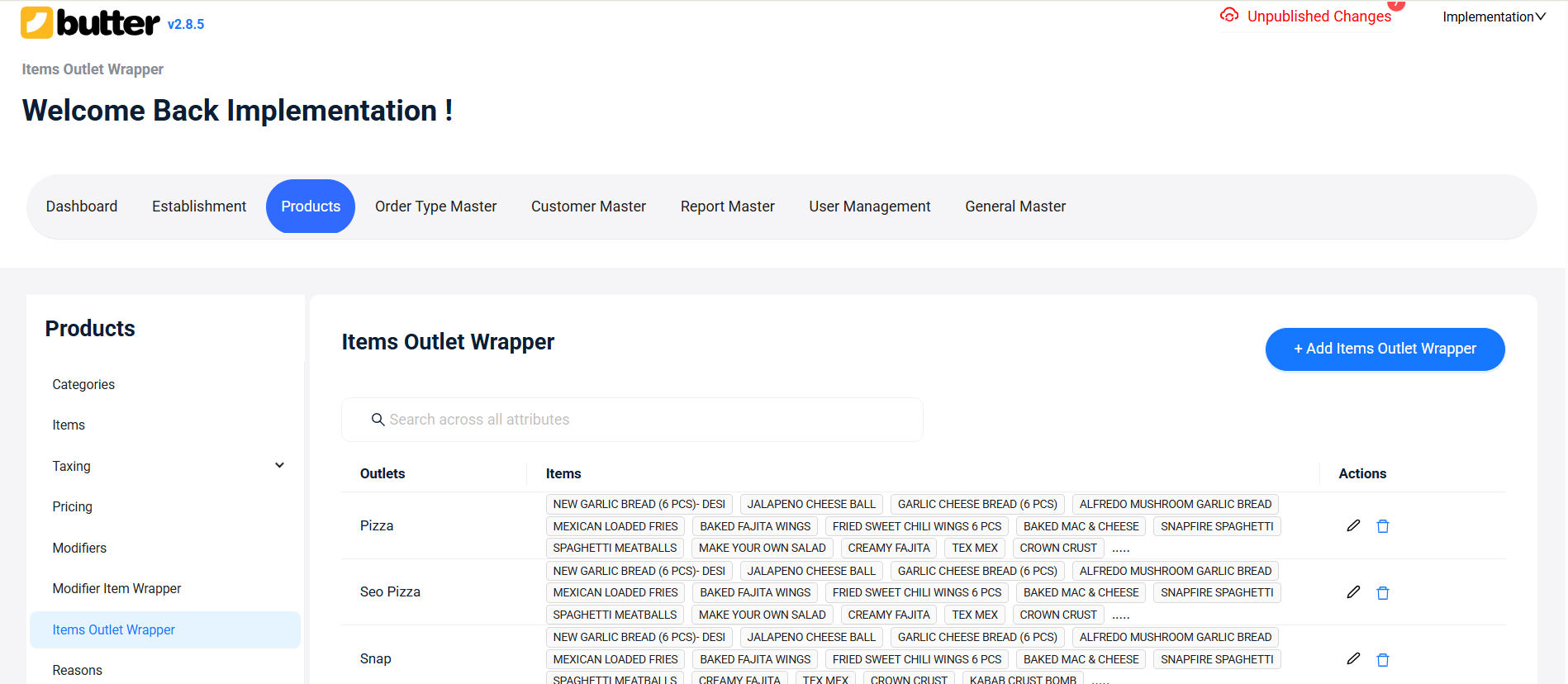
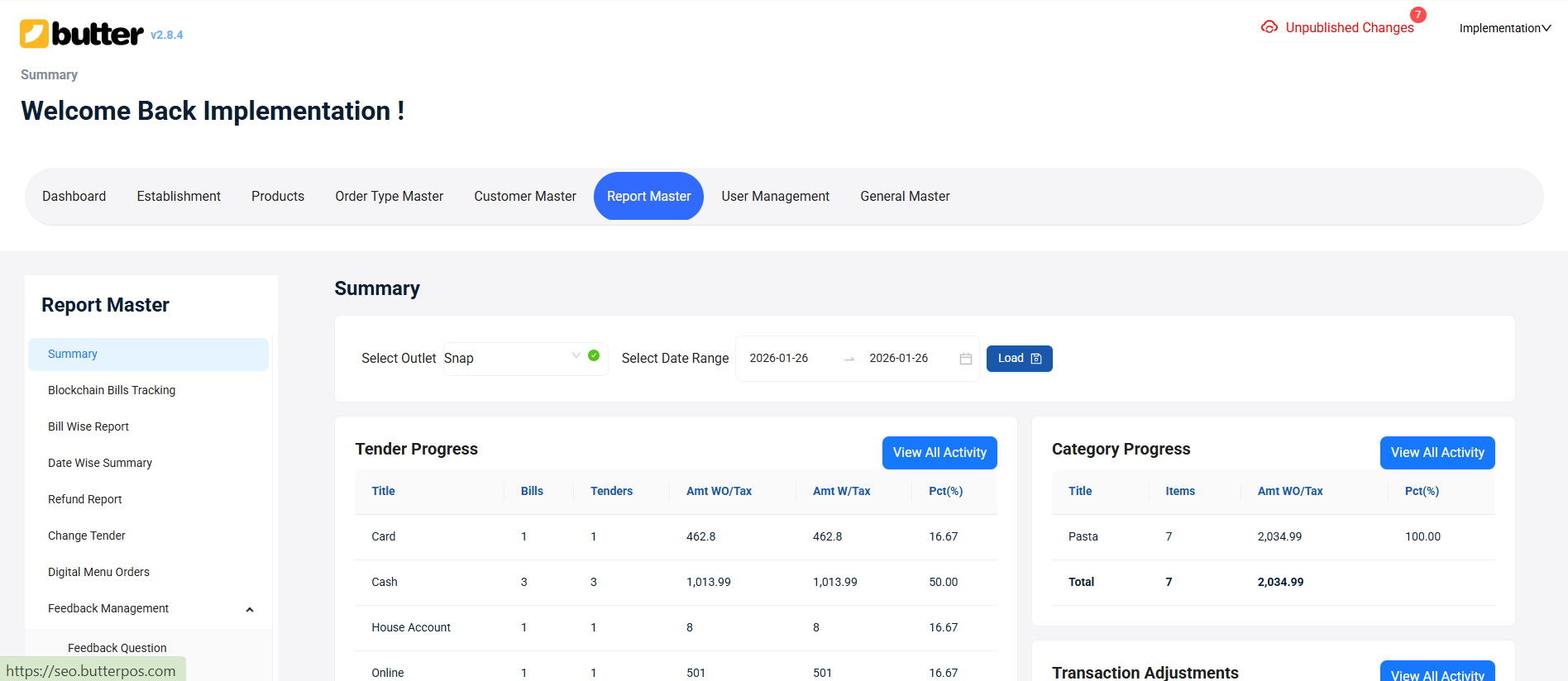
POS systems play a key role in decision-making by providing sales and performance insights. Simple, easy-to-read data helps new owners understand trends without being buried under complex reports they don't yet know how to interpret.
What should startups prioritize more, features or usability?
Usability should always come first for startups. A POS that staff can confidently use every day leads to smoother operations and fewer mistakes. Features only add value if they are actually used and understood.
Why do many startups regret choosing overly complex POS systems?
Many startups realize that complex systems increase costs, training time, and frustration. Instead of helping, they often distract owners from core operations. Choosing a POS that matches the startup stage leads to better control, efficiency, and long-term satisfaction.



 Region: United States


