According to a 2024 survey by the National Restaurant Association, nearly 60% of new restaurant owners feel overwhelmed when choosing their first POS system. And honestly, it makes sense, most POS systems out there are packed with advanced features, complex dashboards, and price tags that feel more suited for chains than startups.
But here's a question worth asking: Do you really need all that on day one?
When you're just opening your doors, your needs are simpler such as quick order-taking, smooth billing, basic reporting, and something your team can learn not in days but in minutes. Not every POS system is built while keeping ease in mind.
That's where Butter POS comes in the field — a system designed with simplicity, affordability, and startup realities at its core.
For a visual guide on the best POS system for new restaurants in 2026, watch the video below:
Butter POS - The Best POS System for New Restaurants
When you're starting out, you don't need a POS system built for multi-location chains or high-volume fine dining — you need one that fits your size, your pace, and your budget too. That's why Butter POS exists.
This POS is built specifically for new and small restaurants, Butter POS takes away the complexity and brings in the clarity. No cluttered screens, no feature overload, just the tools you actually need at your new restaurant.
However, here are the reasons why Butter POS is becoming the go-to choice for first-time restaurant owners:
- Simple to use – Your staff can learn it in minutes, not days
- Helps in serving quick – Fast billing, easy modifiers, smooth table flow
- Free for new restaurants – Butter POS is 100% free for new restaurants in the United States.
- Smart & detailed reporting – Know what's selling, when, and why — without the noise
- Plug-and-play setup – No tech team required
- 24/7 human support – Real humans who speak your language
Butter POS doesn't try to be everything for everyone. It focuses on being the right fit for new restaurants, helping them get off the ground, stay in control, and grow at their own pace.
Because let's be real: In the early days,new restaurants were juggling a dozen things already. Their POS shouldn't be one of them.
What New Restaurants Actually Need in a POS (And What They Don't)
Not every restaurant is starting with a packed dining room, multiple staff shifts, or a complex kitchen setup, and your POS system should reflect that.
Here's what most new restaurants truly need in their first POS system:
- Easy setup: You shouldn't need a tech expert to get started.
- Fast, simple billing: Quick order entry and smooth payments — no confusion.
- Menu customization: Add, remove, or edit items without calling support.
- Sales insights: Just enough reporting to know what's working (and what's not).
- Staff-friendly interface: Your team should feel confident using it on day one.
- Budget-conscious pricing: Every dollar counts when you're just getting started.
And here's what they usually don't need (at least not yet):
- Complex inventory modules that require daily input
- Multi-location syncing or franchise-level tools
- Deep integrations with third-party apps they don't use
- Custom workflows that slow things down instead of speeding them up
The truth is, many POS software are designed with scale in mind — but if you're in startup mode, you need something that fits you right now. Starting simple doesn't mean limiting growth, it means laying the right foundation.
Popular POS Systems in 2026 (And Why They're Not Always Ideal for Newbies)
There are some big names in the POS world, and for good reason. They're powerful, polished, and built for busy operations. But for new restaurant owners, they can often feel like too much, and too soon.
Let's take a closer look:
1. Toast POS
Toast is one of the most feature-rich POS systems out there, especially popular among full-service restaurants and growing chains. It offers deep customization, powerful kitchen display systems, and strong reporting tools — ideal for complex operations.
But for someone just starting out, it can feel overwhelming. The interface has a learning curve, the setup requires some time and training, and the pricing can stretch tight startup budgets.
2. Square for Restaurants
Square is known for its clean, user-friendly interface and sleek hardware. It's a great choice for fast-casual spots or cafés that want something visually appealing and easy to navigate. Plus, it's quick to set up and get running.
However, as your needs grow, so does the cost. Many essential features — like marketing tools, loyalty programs, or advanced reporting, come as paid add-ons, which can lead to a higher monthly bill than expected for a small startup.
3. Clover POS
Clover offers solid hardware and a flexible app ecosystem, allowing you to customize your POS experience based on your business type. It's also widely available through banks and payment processors, making it easy to access.
But this accessibility comes with a catch, pricing often depends on the reseller, which can lead to inconsistent fees or long-term contracts. For new restaurants seeking flexibility and transparency, this can feel risky.
How Butter POS Fills the Gap No One Else Does?
While most POS systems focus on scale, complexity, and multi-location operations, Butter POS focuses on what truly matters for new restaurateurs i.e., simplicity, speed, and control from day one.
Here's how:
-
Fast, Intuitive Order Flow
New restaurants can't afford delays or confusion during rush hours, and that's where Butter POS shines. The system is designed for quick service: taking an order, sending it to the kitchen, and billing it. All happens within seconds. The interface is clean and distraction-free, so even first-time staff members can use it confidently, with little to no training.
-
Effortless Menu Management
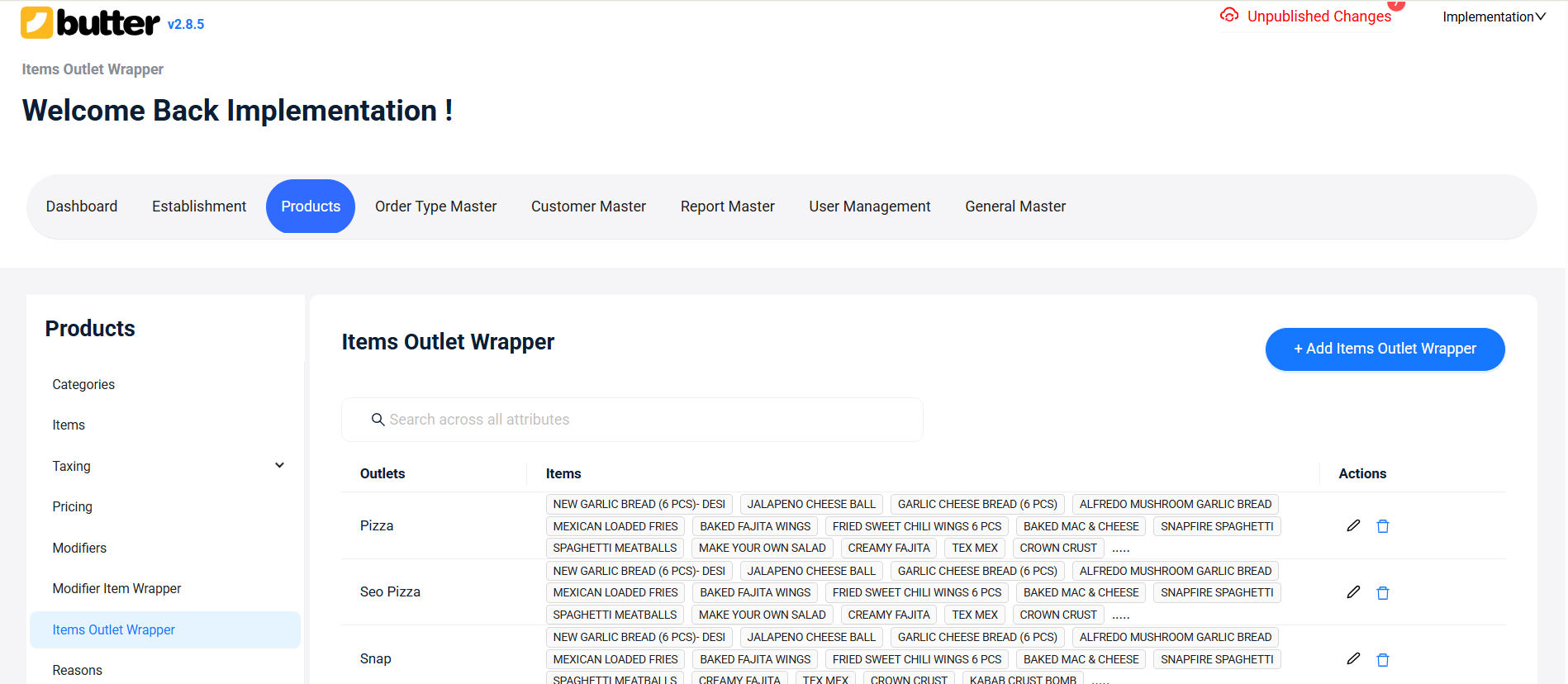
Starting out means experimenting, maybe you're adjusting prices, changing item names, or adding new dishes based on customer feedback. Butter POS makes this process simple. You can update your menu on the fly without needing tech support. Everything is editable from a single dashboard, and the changes reflect in real-time across the system.
-
Smooth Billing and Payments
Whether it's dine-in, takeout, or online orders, billing is fast and frictionless. You can apply discounts, split bills, or add custom notes, all without slowing down the checkout experience. Butter POS also integrates with major payment processors, so your customers can pay the way they prefer.
-
Simple Yet Smart Sales Reports
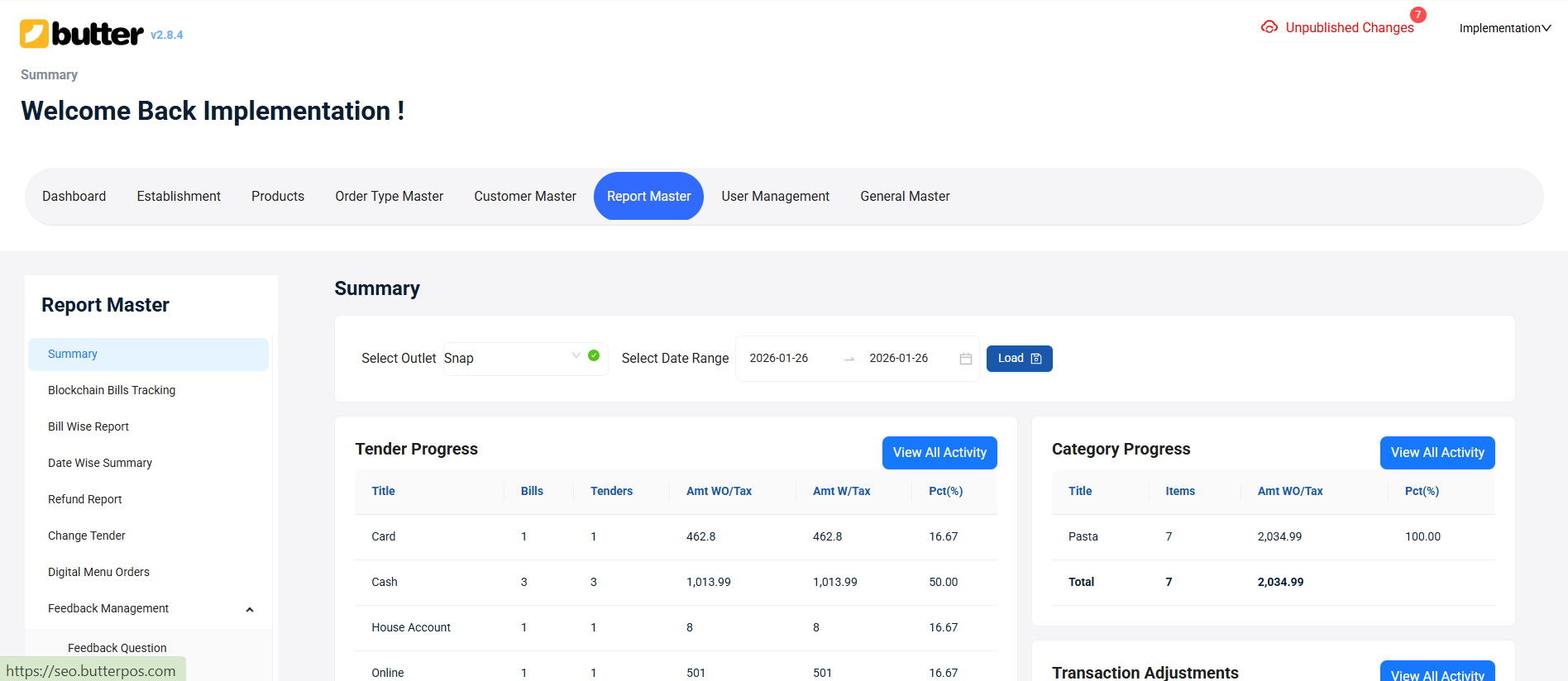
New restaurateurs don't need 20 charts and filters — they need clear answers. Butter POS gives you exactly that. It highlights your best-selling items, slow movers, and peak sales times so you can make quick, informed decisions without needing to be a data analyst.
-
Cloud-Based Access from Anywhere
You're not always at the counter. Butter POS gives you access to your data from anywhere, whether you're at home, at the supplier's, or just taking a break. Track sales, check performance, and manage your menu on the go.
-
Pricing That Fits Your Budget
If you're opening a new restaurant in the US, you get Butter POS completely free. For everyone else, our pricing is transparent and startup-friendly — no setup fees, no surprise add-ons, and no long-term contracts. You only pay for what you truly need.
-
Support That Actually Supports
Starting a restaurant is stressful, but tech support shouldn't be. Butter restaurant POS offers fast, friendly assistance from people who understand the challenges of running a new restaurant. Whether it's a quick setup question or a billing concern, help is just a message away.
Your First POS Shouldn't Be Your Biggest Mistake
Opening a restaurant is already a big leap, filled with decisions that shape your success. And while your menu, location, or branding may evolve over time, your POS system becomes the engine behind it all. That's why choosing the right one from day one matters more than most people realize.
The popular POS systems have their place, but they're not always built for your beginning. You need something that meets you where you are. It means you have to prioritize simplicity, reliability, affordability, and make for the realities of a new restaurant.
Butter POS doesn't try to do everything, it focuses on doing the right things for you. Whether you're serving your first customer next week or finalizing your soft launch plans, Butter gives you the tools to start strong, stay organized, and grow at your own pace.
Frequently Asked Questions (FAQs)
Why is choosing the right POS system important for new restaurants?
The right POS system helps streamline orders, track sales, manage payments, and generate reports. For a new restaurant, it supports smooth daily operations, improves customer service, helps control costs, and gives insights that inform smarter business decisions from day one.
What should a new restaurant look for first in a POS system?
New restaurants should prioritize ease of use, reliability, fast order processing, and basic reporting. A system that is simple for staff to learn and operate helps reduce training time and prevents order errors during busy service periods.
Can a POS system help reduce training time for new staff?
Yes. A POS with a clean, intuitive interface allows new hires to start taking orders and processing payments quickly. Systems that are complicated or cluttered often increase training time and lead to mistakes when staff are under pressure.
How does Butter POS support new restaurant operations?
Butter POS provides a simple order flow, easy menu setup, fast payment processing, and clear sales reports so new restaurants can focus on service instead of dealing with technical complexity. Many owners find they can launch and train staff faster with Butter POS.
Do new restaurants need cloud-based access to their POS?
Cloud access lets restaurant owners check sales, menus, and reports from anywhere, not just inside the restaurant. This is especially useful for monitoring performance, making menu updates, and managing multiple devices without being tied to a single terminal.
Is it important for a POS system to be affordable for new restaurants?
Yes. New restaurants often operate on thin margins and need predictable costs. A POS with transparent pricing and no hidden fees helps owners plan budgets accurately without surprise charges that can strain finances early on.
Can a POS system help with online and takeout orders?
Modern POS systems often support multiple order types, including dine-in, takeout, and online orders. This centralizes sales data and prevents confusion that can happen when orders are tracked in separate systems.
How does a POS system improve payment processing?
A POS system speeds up billing with quick access to common items, supports various payment methods (cards, mobile wallets, contactless), and makes split billing easier. This reduces wait times and improves the overall customer experience.
What types of reporting should a new restaurant expect from a POS?
Useful reports include daily sales summaries, best-selling items, hourly sales trends, and staff performance. These insights help new owners make decisions about staffing, pricing, menu changes, and inventory.
How can a POS system help with menu changes?
A good POS allows you to update menus, prices, and descriptions easily from a central dashboard. This is especially helpful for new restaurants experimenting with offerings based on customer feedback or seasonal ingredients.
Do new restaurants need advanced features like inventory management right away?
Not always. While advanced inventory tracking can be helpful, many new restaurants are best served by starting with essential features like sales reporting, order accuracy, and payment processing. Inventory tools can be added later if needed.
Can a POS system integrate with payment processors?
Yes. Many POS systems work with major payment processors and support modern payment methods like contactless payments, mobile wallets, and EMV chip cards so customers can pay in the way they prefer.
How does a POS system support staff accountability?
POS systems can track who took each order, who processed payments, and who applied discounts or refunds. This visibility helps managers monitor performance and reduce unauthorized actions.
Should new restaurants choose a POS that can grow with them?
Ideally, yes. A system that starts simple but allows upgrades or additional modules helps new restaurants expand without needing to switch systems as they grow or add locations.
How does customer support affect a restaurant's POS experience?
Good support means you can get help quickly when you encounter issues like payment downtime or hardware problems. This reduces service interruptions and helps your team feel confident using the system.
Can a POS system help new restaurants attract repeat customers?
Yes. Many POS systems include built-in loyalty and rewards features or integrate with third-party loyalty tools, helping you create programs that encourage customers to return more often.
How does a POS system help new restaurants during peak hours?
Speedy order entry, quick payment processing, and simple modifier handling reduce wait times and keep lines moving during rush periods, which improves customer satisfaction and turnover.
Is mobile POS access useful for restaurant owners?
Yes. Mobile access lets you check sales and performance data from a phone, tablet, or laptop, even if you are not in the restaurant, which is useful for busy owners who need to monitor operations remotely.
What role does real-time data play for new restaurant owners?
Real-time data allows you to monitor sales as they happen, spot trends quickly, and adjust staffing or inventory before issues become problems, rather than waiting until the end of the day.
How can choosing the wrong POS system impact a new restaurant?
The wrong system can slow down service, confuse staff, generate inaccurate reports, add hidden fees, or make it harder to scale. This can lead to poor customer experiences and inefficient operations.
How should new restaurants evaluate POS features before choosing?
Start by listing your core operational needs, such as speed, reliability, payments, reporting, and ease of use. Compare how well different systems fulfill these needs, check pricing transparency, and consider future growth before deciding.



 Region: United States


