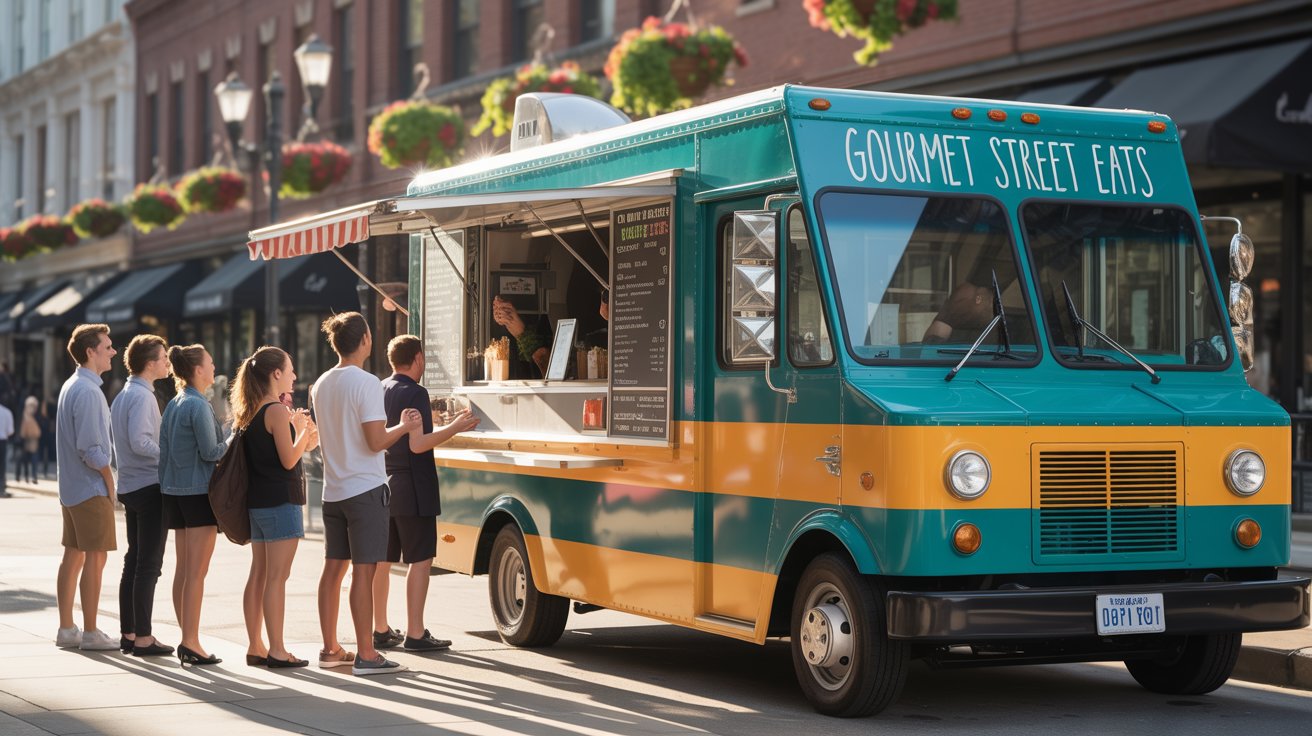
In the U.S. alone, the food truck industry is now worth over $2 billion, and it's still growing. With lower startup costs compared to a brick-and-mortar restaurant and a profit margin that can go as high as 30%, food trucks are no longer just a side hustle — they're a serious business.
In fact, according to IBISWorld, the number of food trucks has grown by over 7% annually for the last five years. But here's the thing; while the idea sounds exciting, most new food truck owners get stuck not because they lack passion, but because they underestimate permits, planning, and daily operations.
If you're searching about how to start a food truck business, or already have and feel stuck somewhere, this guide is your roadmap. Let's get started.
1) Research Your Market and Concept
Before you even search about starting or how to operate a food truck business, pause. The first mistake new food truck owners make is jumping in without validating if their idea even fits the local market.
Imagine, you spend months building a gourmet grilled cheese truck… only to find out three others are already parked in your city, and two of them are crushing it on social media. Now what?
Here's How to Operate a Food Truck Business:
- Understand Your Local Audience
- Study the Competition
- Choose a Concept That Balances Passion + Demand
- Finalize a Signature Style
Winning Tips to Understand Your Market:
- Hang around food truck zones during peak hours. Observe what's popular and what's being ignored.
- If people keep complaining about slow service, that's your chance to win with speed and tech.
- Post Instagram polls, run Facebook ads, or do a pop-up at a local event before going all-in.
- A catchy name and strong brand concept = free word-of-mouth marketing.

Research Your Market & Concept
Understand your audience and stand out with the right concept.

2) Create a Practical Food Truck Business Plan
Every successful food truck starts with more than just a cool menu, it starts with a smart food truck business plan. This document will be your guide, your investor pitch, and your personal roadmap when things get overwhelming (and trust me, they will). Moreover, it will also help you in understanding how to run a food truck business.
Key Components of Your Food Truck Business Plan:
- Executive Summary
- Company Overview
- Market Analysis
- Menu Development
- Location Strategy
- Marketing and Branding Plan
- Operations Plan
- Financial Projections
- Funding Needs (if any)
Winning Tips to Make a Business Plan for Food Truck:
- Make it relatable but sharp because investors or partners love personal stories.
- Use tools like Google Trends, Yelp, and Facebook groups to gather real data on local food demand.
- Don't overcomplicate your menu. Start small, test, then expand.
- Attend local events, fairs, and festivals — great visibility and sales boosters.
- Start building hype on Instagram even before you launch. Share behind-the-scenes content!
- A smooth ordering process = faster service = more sales.
- Have a 1-page "pitch" version of your plan ready for local lenders or partners.
3) Get the Required Licenses and Permits
Don't ignore the business license for food trucks. One surprise visit from an inspector and your food truck dream can shut down before your first taco is sold.
Let's simplify the legal stuff:
- Food Truck Business License
- Food Truck Permit / Mobile Vendor License
- Food Handler's Permit
- Fire Safety Inspection
- Zoning Permits or Parking Permits
- Sales Tax Permit
Required Licenses & Permits
Find out which licenses you need to start your food truck—download the full checklist now.
4) Buy and Equip Your Food Truck
Buying a food truck isn't like buying a car, it's like buying your entire business on wheels. So you need to be smart, not just excited.
- Buy a New Food Truck
- Buy a Used Food Truck
- Convert a Van or Trailer
What Equipment You'll Need Inside?
| Equipment | Purpose |
| Commercial fridge/freezer | Store perishables safely |
| Griddle / Grill / Fryer | For cooking main items |
| Prep table + sink | For chopping, washing |
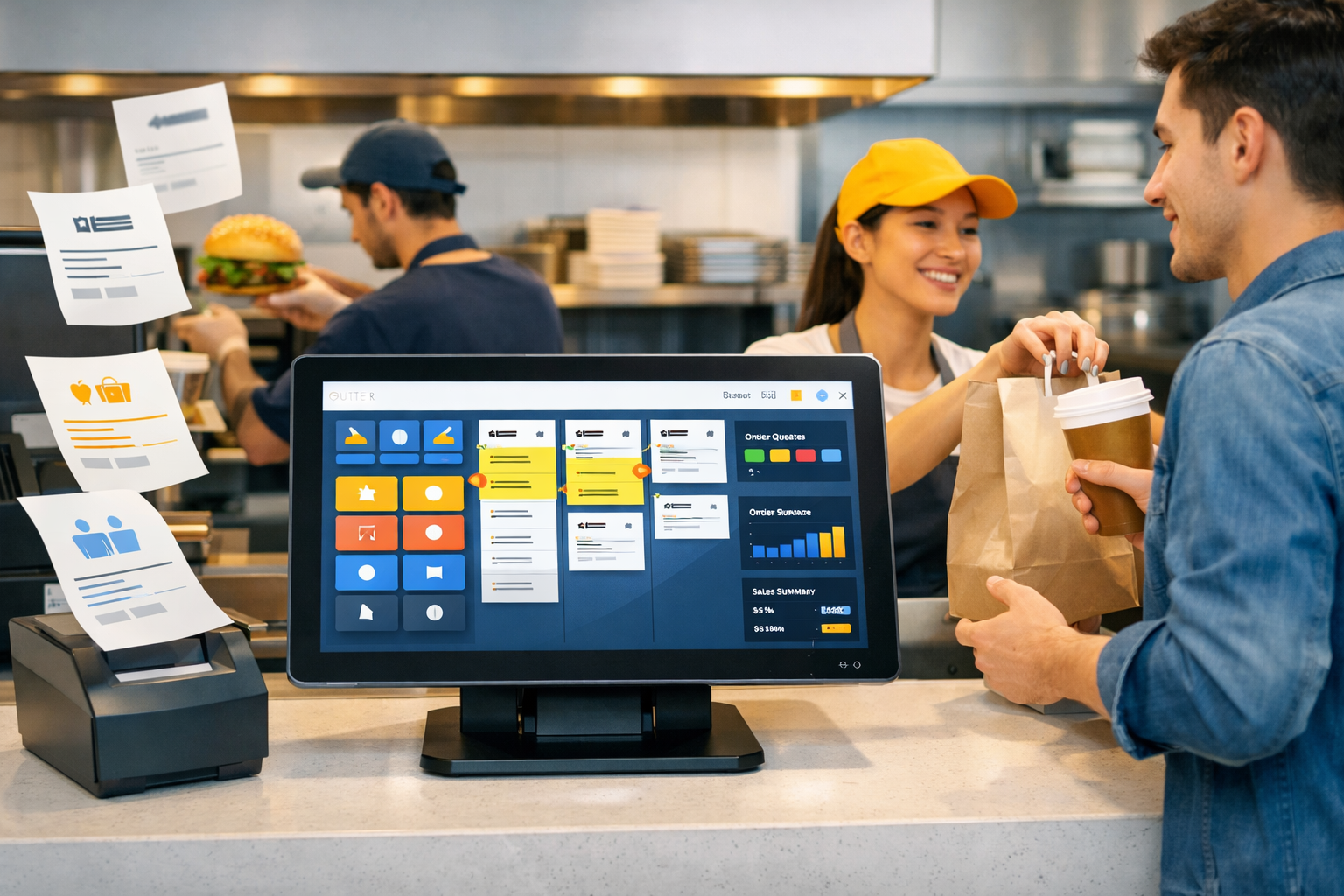
| POS System | To take orders & payments |
| Ventilation hood + fire suppression | Safety & legal requirement |
| Storage bins & shelves | Keep it organized |
Tip: Don't overload your truck with equipment you don't need. Focus on speed and space-efficiency.
Smart Buying Tips:
- Bring a mechanic when checking a used truck
- Confirm it meets your city's health & fire codes
- Ask for maintenance records & photos of past inspections
- Buy second-hand kitchen equipment from restaurant auctions to save money
Where to Find Food Trucks:
- Used vending truck marketplaces (e.g. UsedVending, Roaming Hunger)
- Facebook Marketplace & Craigslist (use caution)
- Local truck builders (search: "food truck builders near me")
5) Design Your Truck to Stand Out
A food truck is more than a kitchen, it's your billboard on wheels. The right design can turn strangers into customers before they even smell your food.
Let's break it down into what really matters:
- Logo & Branding: Your Identity
- Truck Wrap Design
- Menu Board Design
- Interior Layout (Flow Matters!)
- Lighting & Presentation
6) Craft a Menu That Sells (Not Just Fills)
Your menu is your money-maker. It decides how fast you serve, how much you earn, and how people remember you.
Let's keep it delicious and strategic. Here's how:
- Keep It Short and Smart
- Create a Signature Dish
- Price it Right
- Use Elegant Menu Design
Common Mistakes That Tank Food Truck Dreams
Even passionate food truckers fail because of rookie errors. Let's make sure you don't.
- Trying to Sell Everything
- Not Testing Recipes Before Launch
- Parking Without Permits
- Ignoring Social Media
- Poor Food Cost Control
Your Dream is on Wheels — Drive It Smart
Starting a food truck isn't easy. But it's real. It's doable. And it's one of the few businesses where passion directly feeds your profit.
You don't need a million bucks or a big restaurant. You need:
- A solid business plan for food truck
- Smart decisions (location, pricing, branding)
- Real hustle and love for what you serve
If you follow this guide step-by-step, you're not just starting a food truck — you're building a brand people will follow, capture, and crave.
Frequently Asked Questions (FAQs)
What is the first step to starting a food truck business?
The first step is market research. Before buying a truck or planning a menu, you need to understand your local audience, competition, pricing expectations, and food trends. A strong concept that balances demand with your passion sets the foundation for everything else.
How much does it cost to start a food truck business?
Starting a food truck can cost anywhere between $40,000 to $150,000 depending on whether you buy a new or used truck, equipment quality, permits, branding, and initial inventory. Planning your budget early helps avoid cash flow issues later.
Do I really need a food truck business plan?
Yes. A food truck business plan helps you stay focused, estimate costs, plan operations, and attract investors or lenders if needed. It also acts as a roadmap when challenges arise during setup or daily operations.
What licenses and permits are required to run a food truck?
Most food trucks need a business license, food truck permit, food handler's permit, fire safety clearance, zoning or parking permits, and a sales tax permit. Requirements vary by city and state, so checking local regulations is critical.
How long does it take to launch a food truck?
On average, it takes 3 to 6 months to launch a food truck. This timeline includes concept planning, permits, truck purchase or conversion, inspections, and branding. Delays often happen due to licensing or truck customization.
Is buying a used food truck a good idea?
Yes, buying a used food truck can save money, but only if it's inspected properly. Always check engine condition, kitchen equipment, past inspection records, and compliance with local health and fire codes before purchasing.
What type of food works best for food trucks?
Food that is simple, fast to prepare, and easy to serve works best. Items with limited ingredients and high demand, such as tacos, burgers, wraps, bowls, or specialty snacks, help control costs and speed up service.
How big should a food truck menu be?
A small, focused menu is ideal. Too many items slow down service, increase food waste, and complicate operations. Most successful food trucks start with 5–10 core items and expand based on customer demand.
How do food truck owners choose the right locations?
Successful food truck owners choose locations with high foot traffic, office zones, events, festivals, or approved parking areas. Understanding local parking rules and building relationships with event organizers helps secure profitable spots.
Can a food truck really be profitable?
Yes. Food trucks can achieve profit margins of 15%–30% when managed well. Profitability depends on food costs, location strategy, pricing, speed of service, and consistent customer demand.
What are the biggest mistakes new food truck owners make?
Common mistakes include skipping market research, offering too many menu items, ignoring permits, underpricing food, and failing to promote the truck on social media. Planning and testing reduce these risks.
How important is branding for a food truck?
Branding is extremely important. Your truck design, logo, name, and menu board act as marketing tools. A strong visual identity helps customers remember you and encourages word-of-mouth promotion.
Should I test my food concept before launching?
Yes. Testing your food at pop-ups, local events, or small gatherings helps you validate demand, improve recipes, and get real feedback before investing heavily.
How do food trucks attract customers early on?
Most food trucks attract customers through social media, local events, word-of-mouth, eye-catching truck design, and limited-time offers. Consistent online updates about location and timings build loyal followers.
What equipment is essential inside a food truck?
Essential equipment includes cooking appliances, refrigeration, prep tables, sinks, storage shelves, ventilation systems, fire suppression, and a POS system for orders and payments. Equipment should match your menu needs.
How do I control food costs in a food truck business?
Food costs can be controlled by limiting menu items, sourcing ingredients locally, tracking inventory closely, and regularly reviewing portion sizes. Monitoring waste plays a big role in profitability.
Is a POS system necessary for a food truck?
Yes. A POS system helps manage orders, payments, sales tracking, and daily reports. It speeds up service, reduces errors, and gives you visibility into your business performance.
Can one person run a food truck alone?
While it's possible during slow hours, running a food truck alone is challenging during peak times. Most food trucks need at least two people—one for cooking and one for taking orders and handling customers.
How do food trucks handle health and safety compliance?
Food trucks must follow strict hygiene standards, regular inspections, proper food storage, staff food safety training, and fire safety measures. Staying compliant avoids fines and shutdowns.
Is starting a food truck a good long-term business?
Yes. With the right planning, branding, and execution, a food truck can grow into multiple trucks, catering services, or even a brick-and-mortar restaurant. It's a scalable business when managed smartly.



 Region: United States


