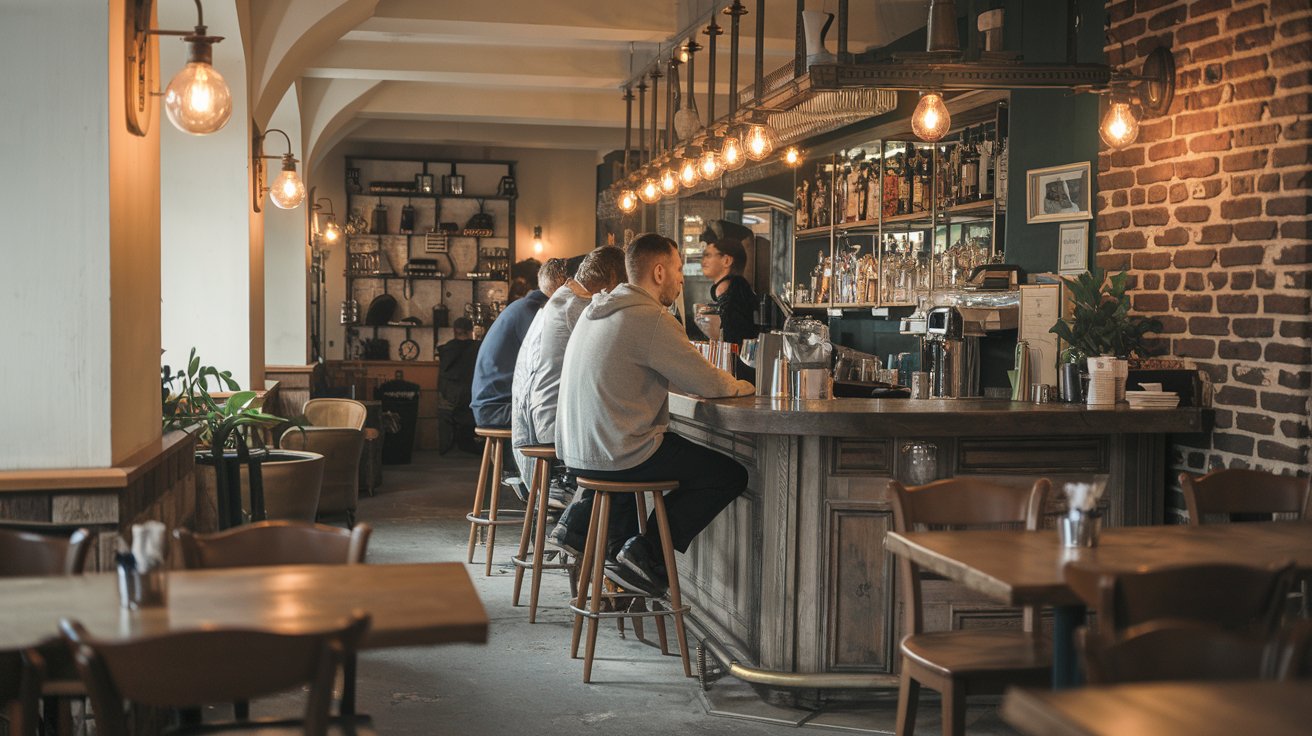
Have you ever walked past a homely little restaurant with warm lighting, a handwritten menu, and the aroma of freshly cooked food scenting the air? Maybe you've wondered, what exactly is a bistro?
Is it just a fancy word for a café, or is there something more to it?
Well, if you've ever been curious about what makes a bistro unique, you're in the right place. In this article, I'll go through what exactly a bistro restaurant is, how it's different from other dining spots, and whether it could be the right concept for your own restaurant.
Let's dive in!
Definition of a Bistro Restaurant
A bistro is a small, cozy restaurant that offers simple dishes that are flavourful, commonly with a French touch. Unlike fine dining restaurants, which focus on premium food experience and formal service, bistros have a more relaxed & casual atmosphere. Moreover, the meals are budget friendly too.
The concept of a bistro originated in France, where these food spots were known for serving home-style food in a cozy dining space. Today, bistros can be found all over the world, including in the U.S., where they blend European charm with local flavors.
For example: Balthazar in New York City is a classic French-style bistro known for its traditional ambiance and delicious steak with fries. Another famous one is Petit Trois in Los Angeles, which offers an authentic French bistro experience with dishes like escargots and croque monsieur. If you're in Chicago, Le Bouchon is a must-visit, serving traditional French bistro fare in a warm and welcoming space.
Want a quick visual guide to bistros? Watch this video to see what makes a Bistro Restaurant truly special!
How to Identify a Bistro Restaurant?
Undoubtedly, not every small restaurant is a bistro. There are certain factors that make the bistros differ from cafés, diners, or fine dining restaurants. Here's how you can tell if a restaurant qualifies as a bistro:
1. Casual But Elegant Atmosphere
Bistros maintain a perfect balance between casual and elegance. They usually have a cozy interior with warm lighting, simple wooden or antique furniture, and a welcoming ambiance. Unlike fine dining restaurants, bistros don't require formal dress codes, but they still maintain a graceful touch.
2. Simple, Flavorful Menu
Bistros focus on classic and easy foods rather than luxurious meals. The menu typically includes items like steak frites, roasted chicken, soups, salads, and fresh-baked bread. The bistro's food is high-quality but not overly fancy, making it perfect for everyday dining.
3. Limited but Well-Curated Menu
Unlike multiple outlets restaurants with dozens of options, bistros keep their menus short and seasonal. They prioritize fresh and natural ingredients, often changing offerings based on what's available locally.
4. Counter or Table Service
Bistros usually offer table service, where a friendly waiter takes your order and serves the food. However, in some traditional French bistros, customers can also order directly from the counter and grab a quick meal.
5. Affordable Yet High-Quality Dining
Bistros are known for providing great food at reasonable prices. They are more affordable than fine dining but offer an enhanced food experience than a fast-food or casual chain restaurant.
6. Wine and Coffee Culture
A good bistro always has a selection of wines and strong coffee. Wine is typically served in a relaxed manner—no long lists of expensive bottles, just a few carefully chosen options that pair well with the food.
7. European Influence
Even though modern bistros are found globally, they usually retain a French or European touch, whether in their décor, menu, or dining experience.
(A checklist that has a heading "Check if your restaurant is a bistro")
How to Open a Bistro Restaurant?
Opening a bistro is an exciting journey, but it requires proper planning. Here's a concise step-by-step guide to help you get started:
Define Your Concept & Choose a Location
The first and the foremost step is to decide the theme and style of your bistro. Will it be a traditional French bistro, a modern twist, or a fusion of different cuisines? Your concept should match your target audience. Then, opt for a cozy high foot fall area, such as a lively urban street, a charming neighbourhood corner, or near office hubs where people look for quick and quality meals.
Create a Simple and Unique Menu
Bistros are known for their short but delicious menus. For running a successful bistro, one should focus on classic, flavorful dishes like steak frites, soups, quiches, and fresh bread. It is highly recommended to keep the ingredients fresh and seasonal, ensuring quality over quantity. Your menu should be easy to prepare yet delicious enough to maintain customer loyalty.
Handle Legal & Setup Essentials
One of the most important steps is to get necessary licenses and permits. You need to register your business, get necessary health and safety permits, and apply for a liquor license if you are planning to serve wine. Then, design your bistro's interior, here're my suggestions: 1) keep it warm, inviting, and simple, 2) use wooden furniture, soft lighting, 3) and a welcoming layout that makes people want to sit and enjoy their meal.
Invest in a POS & Streamline Operations
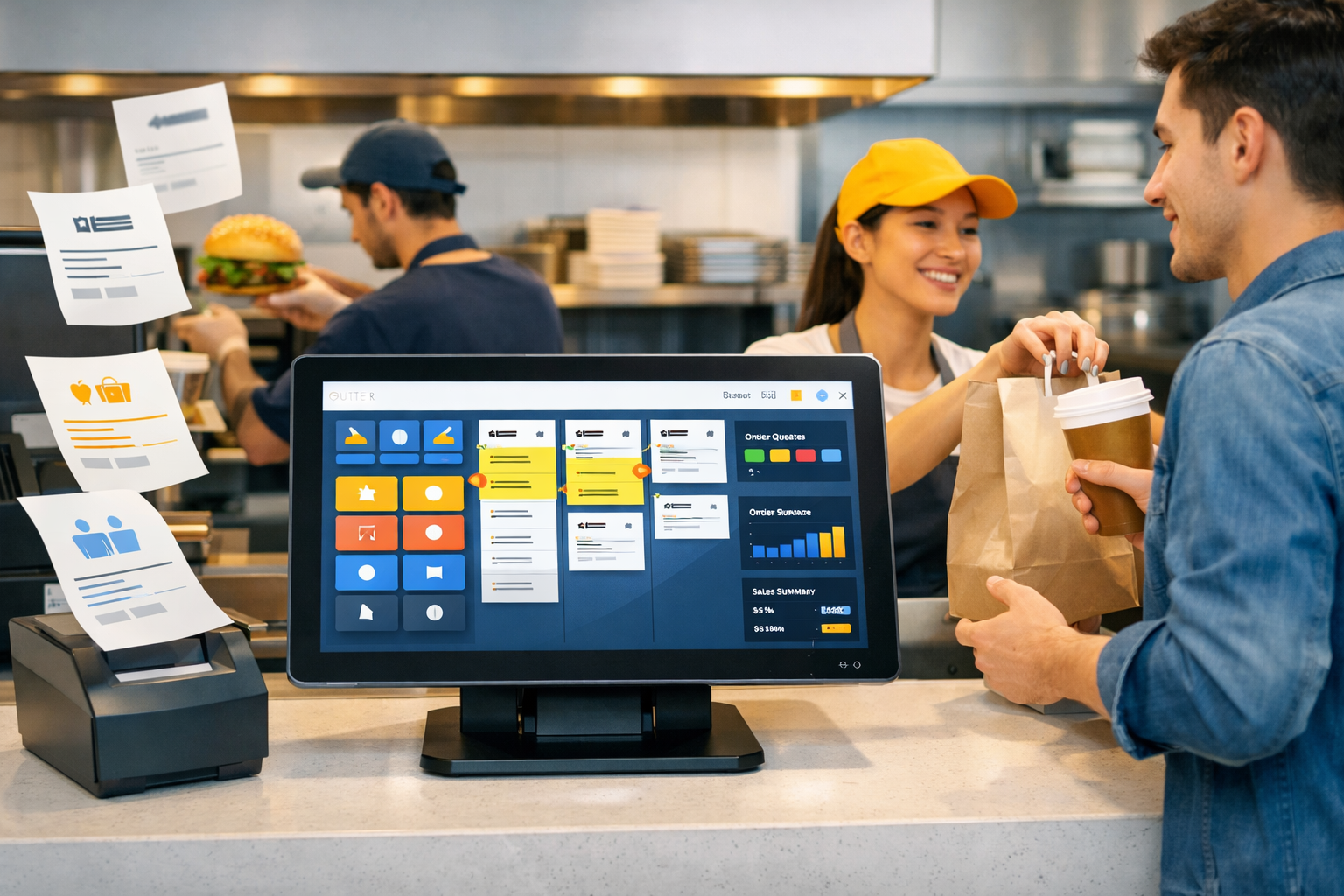
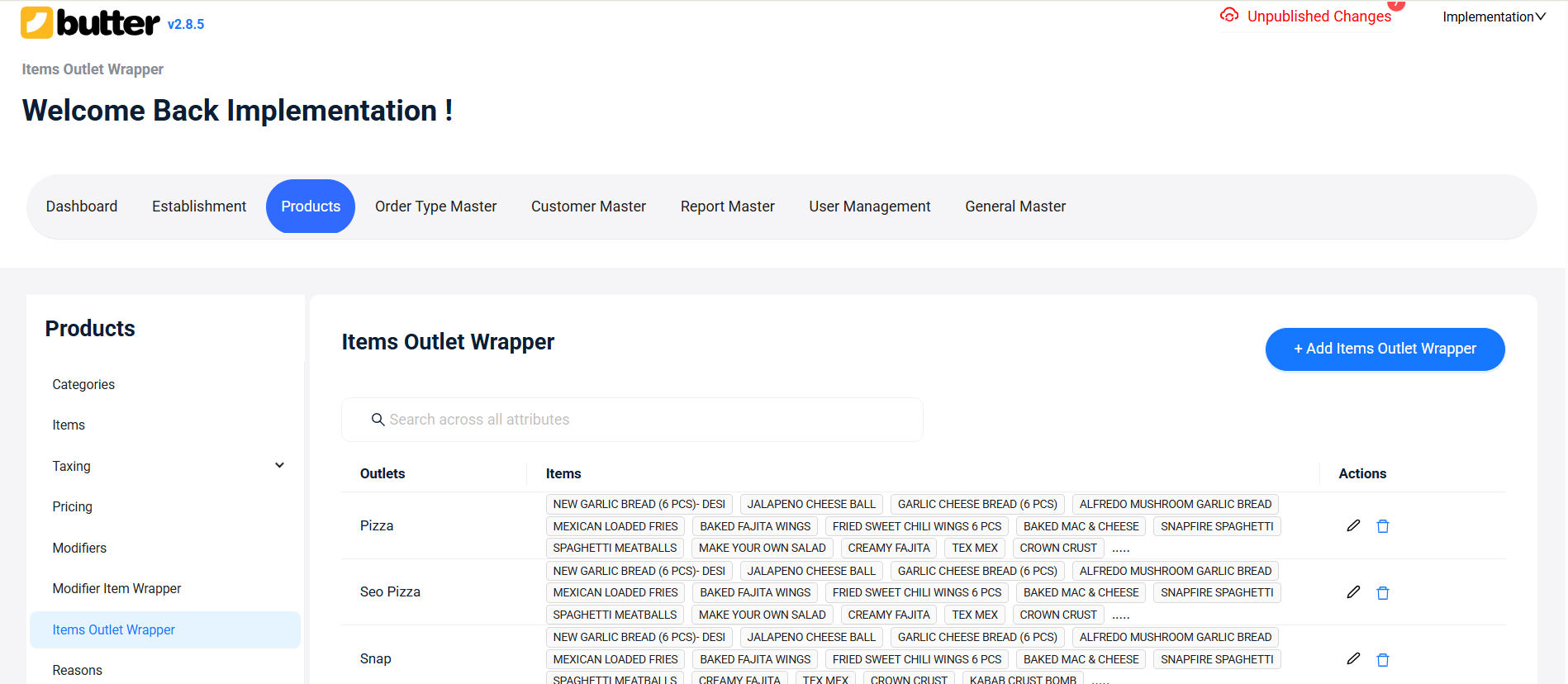
Efficiency is key for a smooth-running bistro. A good restaurant POS system helps manage orders, track sales, and speed up payments. It ensures accurate billing, prevents order mix-ups, and improves customer experience by keeping everything running smoothly from the kitchen to the table.
You can see the list of reliable POS systems here: Top 3 Restaurant POS Systems in 2026
Market & Launch Your Bistro
Promote your Bistro before opening through social media, local food blogs, and word-of-mouth marketing. You can market by the following ways:
- Offer special launch deals
- invite influencers
- Host a mini food tasting event to attract attention
Once everything is ready, open your doors, serve great food, and focus on delivering an exceptional dining experience!
Conclusion
Make it clear that opening a bistro is not just about serving good food, it's about creating a warm, inviting dining space where people can enjoy simple yet flavorful meals in a homely atmosphere. Whether you're drawn to the charm of classic French bistros or want to put your own spin on the concept, the key is to keep things authentic, high-quality, and welcoming.
From choosing the right location to designing an excellent menu and setting up smooth operations with a POS system, every step plays an important role in your success. And with the right marketing, you can turn your bistro into a beloved hangout.
So, if you're passionate about great food and great experiences, why not bring your bistro dream to life?
Frequently Asked Questions (FAQs)
What exactly is a bistro restaurant?
A bistro is a small, cozy, and casual restaurant that originated in France and typically serves simple, flavorful meals in a relaxed, welcoming setting. Unlike fine dining, a bistro focuses on comfort, quality food, and affordability rather than elaborate multi-course experiences.
Where did the idea of a bistro come from?
The bistro concept began in 19th-century France as humble eateries offering home-style dishes to locals. These establishments emphasized moderately priced food, casual service, and an intimate environment, evolving into the bistros we know today.
How is a bistro different from a fine dining restaurant?
Bistros offer informal atmosphere, simpler menus, and modest prices, contrasting with fine dining's formal service, refined presentation, and higher cost. Bistros aim for comfort and taste, while fine dining prioritizes luxury, presentation, and multi-course experiences.
What kind of atmosphere does a typical bistro restaurant have?
Bistros are known for a warm, cozy, and unpretentious ambiance — often featuring soft lighting, wooden furniture, and a layout that encourages relaxed dining and conversation without formal etiquette.
What food can I expect to find on a bistro menu?
The menu in a bistro generally includes simple but flavorful dishes like soups, salads, roasted chicken, steak frites, fresh-baked bread, and seasonal specials. Items are high-quality but not overly elaborate, reflecting both tradition and comfort.
Are bistro menus large or limited in variety?
Bistro menus tend to be short and well-curated, focusing on seasonal ingredients and a handful of expertly prepared dishes rather than extensive selections. This allows kitchens to maintain quality and consistency.
Do bistros serve alcohol like wine or beer?
Yes — many bistros offer a selection of wines, beers, and sometimes cocktails, often chosen to pair well with their dishes. The drinks list is usually concise and approachable, complementing the food without overwhelming it.
Is a bistro the same as a café?
No — although both can feel casual, cafés focus primarily on coffee, pastries, and light fare, while bistros serve full meals, including hot entrées and wine, making them closer to traditional restaurants in terms of dining experience.
Can a bistro have influences outside traditional French cuisine?
Yes — modern bistros often blend local or international flavors with the traditional bistro style, creating menus that reflect regional tastes while maintaining a cozy, French-inspired vibe.
Why do bistros typically have smaller dining spaces?
The smaller size helps create a more intimate environment, allows chefs to focus on quality over quantity, and often suits neighborhood locations where locals gather regularly.
How does service style in a bistro differ from other restaurants?
Service in a bistro is usually friendly and attentive but relaxed, balancing table service with a casual feel that doesn't require formal dress or etiquette. Some bistros even offer counter service at times.
Is a bistro typically more affordable than other sit-down restaurants?
Yes — bistros aim to be budget-friendly while serving quality food, making them a popular choice for everyday dining that feels special but isn't expensive.
What makes a bistro's food different from fast food?
Unlike fast food, bistro cuisine focuses on fresh, well-prepared ingredients, slow cooking techniques, and thoughtful flavors, even if the menu stays relatively simple and accessible.
Do bistros use seasonal and locally sourced ingredients?
Yes — many bistros emphasize seasonal menus with local ingredients, which not only enhances flavor but also supports nearby producers and aligns with sustainability trends.
What kind of customer experience can I expect at a bistro?
You can expect a friendly, relaxed environment, attentive yet informal service, and a meal that emphasizes flavor and comfort. Bistros are often thought of as community gathering spots rather than formal establishments.
Can a bistro serve breakfast or brunch menus?
Many bistros offer breakfast and brunch options that reflect the same casual, flavorful style as their lunch and dinner menus — including light pastries, egg dishes, and freshly brewed coffee.
How important is wine to a bistro's identity?
Wine often plays an essential role in bistros, typically chosen to pair well with simple, flavorful dishes rather than extensive wine lists found in formal dining — keeping choices curated and accessible.
Can a modern bistro experiment with experimental or fusion dishes?
Yes — while bistros are rooted in traditional simplicity, many modern ones integrate creative or fusion elements, blending global flavors with the classic bistro structure.
Is a chef's background important in a bistro?
Often, bistros are chef-led or independently owned, allowing for personal expression in menu design and a strong connection between the kitchen and diners.
How do you distinguish a bistro from a regular restaurant?
Bistros are smaller, more casual, and menu-focused, with a neighborhood feel and simple yet satisfying dishes, whereas larger restaurants may have broader menus, formal service, and varied cuisine styles.
Why has the bistro concept remained popular around the world?
Bistros combine comfort, quality, affordability, and community appeal, making them versatile and beloved dining spots across cultures — adapting local flavors while preserving the classic bistro spirit.




 Region: United States


