"It's not the load that breaks you down, it's the way you carry it." — Lou Holtz.
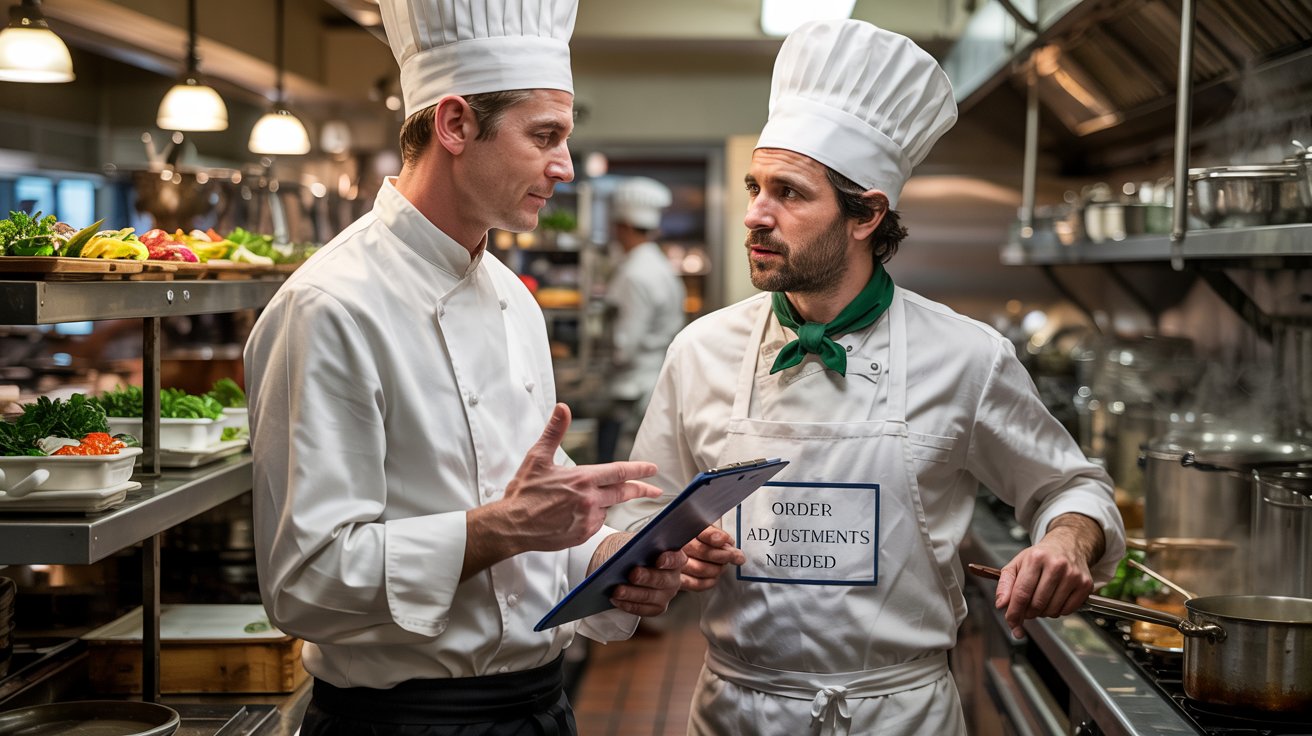
If you run a pizza kitchen, you already know that the dinner rush doesn't knock, it kicks the door down. Orders fly in from all directions. One customer wants extra cheese, another wants no olives, and someone just called in furious because they got a Hawaiian instead of a Pepperoni.
Sound familiar? You're not alone.
Order mistakes are one of the biggest headaches in a busy pizza kitchen, and when you're juggling dine-in, online, takeout, and third-party apps, it's easy for things to slip through the cracks.
But here's the good news: mistakes don't have to be the norm. There are simple, smart ways to bring the chaos under control, without slowing your team down.
Why Do Order Mistakes Happen in Pizza Kitchens?
Let's be real—your team isn't careless. They're just overwhelmed.
In the heart of a pizza kitchen, even a small slip can spiral fast. A missed topping, a misread ticket, or a delayed pickup can become a full-blown customer meltdown. And during peak hours, those slips multiply.
Here are some of the usual suspects behind the mess:
- Handwritten tickets: Hard to read and easy to lose. One smudge or quick scribble and suddenly "half pepperoni" becomes "no pepperoni."
- Verbal communication over noise: Kitchens are loud. Instructions shouted over the hum of ovens and the clatter of pans often get distorted or forgotten by the time they reach the prep table.
- Multiple order channels: You've got online orders, dine-in, takeout, and delivery apps—all coming in at once. If your system isn't syncing them, your staff is just guessing.
- Confusing modifiers: No onions. Extra mushrooms. Gluten-free crust. Add jalapeños in one half. If your kitchen doesn't have a clear way to display these details, things will get missed.
- Lack of role clarity: Who's prepping? Who's baking? Who's checking? If that's not clear, orders float around like lost balloons—until someone grabs the wrong one.
These mistakes aren't about effort, they're about systems. And when systems fail, even your best team struggles to keep up.
The Real Cost of a Small Mistake
At first glance, a wrong pizza might seem like no big deal. Just remake it, right? But let's zoom out for a second.
Every mistake in your kitchen comes with a hidden price tag:
- Wasted ingredients: Cheese, dough, toppings—straight to the trash.
- Wasted time: While one team member remakes an order, they're not working on the next five.
- Frustrated staff: Constant pressure leads to burnout and finger-pointing.
- Unhappy customers: One mistake might be forgivable. Two or three? That's a lost regular and possibly a bad review on Google or Yelp.
- Delivery delays: A single messed-up order can create a chain reaction of late deliveries and long wait times.
In short: order mistakes don't just cost you a pizza—they cost you trust. And in the restaurant business, trust is your most valuable currency.
Smart Systems = Fewer Mistakes, Not More Stress
So how do you reduce mistakes without slowing down your kitchen?
It's not about working harder. It's about working smarter. That starts with how you take and manage your orders.
Here's what makes a big difference:
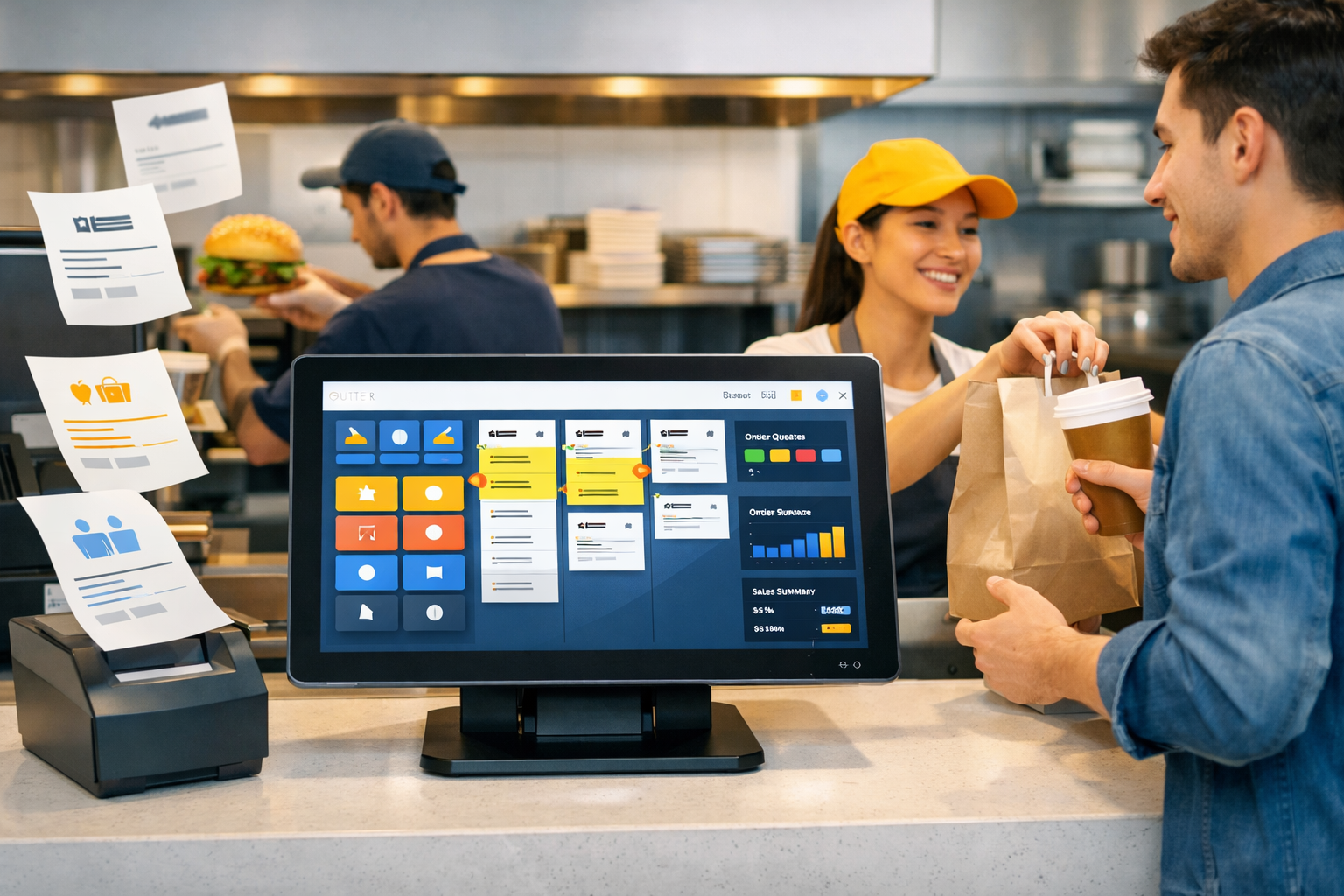
- Digital ordering screens: Instead of scribbled notes or shouting across the room, orders appear directly in front of your team on a clear, easy-to-read display. No guesswork. No confusion.
- Integrated order channels: Whether it's dine-in, online, or through a third-party app, all orders flow into one pizza POS system—organized, timestamped, and routed to the right station.
- Modifier clarity: The crust, toppings, special requests—everything's visible on-screen and easy to follow.
- Kitchen display systems (KDS): These track the order through every step, so you always know what's being made, what's in the oven, and what's ready to go.
A modern pizza POS even lets you auto-route dine-in orders to one screen, and online orders to another—so your kitchen team isn't overwhelmed or confused by mixed priorities.
A smarter system doesn't slow your team down, it keeps them focused, organized, and confident, even during peak hours.
Train Like a Pizza Pro (Not a Drill Sergeant)
Technology alone isn't enough. Your team needs training—but not the kind that makes them roll their eyes.
Instead of boring manuals or long lectures, try:
- Rush-hour simulations: Practice short bursts of high-volume ordering to help staff stay sharp under pressure.
- Role-based workflows: Assign clear roles—one person handles topping, another handles baking, and someone else checks orders before they leave.
- Quick onboarding with your POS: Choose systems that are so simple to use, and your staff can get the hang of it in a single shift.
When your team feels supported and your tools are doing half the heavy lifting, you'll see fewer mistakes and faster service.
The Kitchen Clarity Checklist (Keep This Handy)
Here's a quick checklist you can use to keep things tight during rush hours:
- Use a kitchen display system instead of handwritten tickets
- Sync all order channels into one system (dine-in, takeout, online)
- Label every order with clear modifiers
- Assign kitchen roles ahead of busy shifts
- Keep your menu tight during peak times
- Run quick daily check-ins before the rush hits
- Use simple, visual pizza POS interfaces your staff can master fast
Little changes like these can completely shift the energy in your kitchen—from panic mode to powerhouse.

Kitchen Clarity Checklist
Want this checklist in a printable format? Download the PDF – Kitchen Clarity Checklist for Pizza Kitchens.

Bottom Line
At the end of the day, pizza kitchens will always be loud, fast, and full of energy. That's part of the magic.
But they don't have to be messy.
When you give your team clear roles, better tools, and a system that supports them—you'll reduce mistakes, speed up service, and turn chaos into confidence.
And if your current system isn't making life easier… maybe it's time to rethink it.
Frequently Asked Questions (FAQs)
Why are order errors so common in busy pizza kitchens?
Order errors usually happen because kitchens operate under intense pressure, especially during peak hours. When multiple order channels, loud environments, and complex modifiers collide, even experienced staff can miss details. These mistakes are rarely about carelessness, they're almost always the result of unclear systems and overloaded workflows.
What is the biggest cause of wrong pizza orders during rush hours?
The biggest cause is unclear order communication. Handwritten tickets, shouted instructions, and poorly displayed modifiers make it easy for details to get lost. When information isn't centralized and easy to read, mistakes become almost inevitable during high-volume periods.
How do handwritten tickets contribute to order mistakes?
Handwritten tickets can be hard to read, easy to misplace, and prone to interpretation errors. Smudged ink, rushed handwriting, or missing modifiers often result in wrong toppings, incorrect crusts, or incomplete orders reaching the oven.
Why does verbal communication fail in pizza kitchens?
Pizza kitchens are noisy by nature, with ovens, timers, and constant movement. Verbal instructions can be misunderstood, forgotten, or never heard at all. Relying on spoken communication alone increases the chance of errors, especially during dinner rushes.
How do multiple order channels increase kitchen confusion?
When dine-in, takeout, online, and delivery app orders come in separately, staff must mentally juggle priorities. If these channels aren't synced into one system, orders can be duplicated, delayed, or prepared incorrectly.
Why are modifiers such a problem in pizza orders?
Pizza orders often include detailed modifiers like half toppings, gluten-free crusts, or extra cheese. Without a clear visual display, these details are easy to miss, leading to customer dissatisfaction and costly remakes.
How does lack of role clarity affect order accuracy?
When kitchen roles aren't clearly defined, multiple people may touch the same order—or no one takes full responsibility. This leads to missed steps, duplicated work, and incorrect pizzas leaving the kitchen.
What is the real cost of a single wrong pizza?
A single mistake costs more than ingredients. It wastes staff time, slows down other orders, frustrates employees, delays deliveries, and damages customer trust. Over time, repeated mistakes can hurt reviews and reduce repeat business.
How do order errors impact customer loyalty?
Customers may forgive one mistake, but repeated errors quickly erode trust. Inconsistent experiences push customers toward competitors, especially when online reviews make negative experiences visible to everyone.
Can technology really reduce order errors in pizza kitchens?
Yes, when implemented correctly. Digital systems reduce reliance on memory and verbal communication, ensuring every order detail is visible, accurate, and tracked from start to finish.
How do digital order displays help kitchen staff?
Digital displays show orders clearly and consistently, eliminating guesswork. Staff can see toppings, modifiers, and priorities at a glance, which improves speed and accuracy during busy periods.
What role does a kitchen display system play in error reduction?
A kitchen display system tracks each order through preparation stages. This visibility helps prevent missed steps, ensures accountability, and allows staff to spot delays or issues before orders go out wrong.
Why is order routing important in pizza kitchens?
Routing orders to the right station keeps workflows organized. Separating dine-in, takeout, and delivery orders prevents overload at one station and helps staff focus on the task in front of them.
Can better systems actually reduce staff stress?
Absolutely. When systems handle organization and prioritization, staff don't have to rely on memory or constant verbal reminders. This reduces mental fatigue and helps teams stay calm under pressure.
How does training affect order accuracy?
Training builds confidence and consistency. Staff who understand workflows, tools, and expectations are less likely to panic or improvise during rush hours, which directly reduces errors.
Why are rush-hour simulations effective for pizza teams?
Simulations prepare staff for real pressure without real consequences. Practicing high-volume scenarios helps teams develop muscle memory, improve communication, and stay focused when the rush hits.
How does role-based workflow reduce mistakes?
When each person knows exactly what they're responsible for—topping, baking, or final checks—orders move smoothly through the kitchen. Clear ownership reduces confusion and missed steps.
Why is a final order check so important?
A final check acts as a safety net. Catching a mistake before an order leaves the kitchen saves time, ingredients, and customer relationships, making it one of the simplest ways to improve accuracy.
Should pizza menus be simplified during peak hours?
Yes, simplifying menus during rush times reduces cognitive load on staff. Fewer options mean fewer chances for mistakes, faster prep times, and more consistent output.
What is the biggest long-term benefit of reducing order errors?
The biggest benefit is trust. Accurate orders lead to happier customers, calmer staff, smoother operations, and stronger repeat business. Over time, fewer mistakes mean higher profits and a healthier kitchen culture.



 Region: United States


