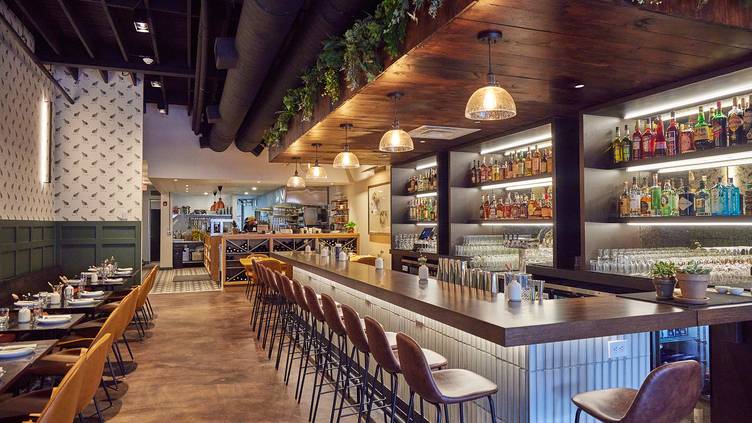
When I opened my restaurant, I thought I had everything figured out, good food, cozy vibes, and a unique name. I even had a neon sign. But in the first month, I learned more than any school could teach me.
Mistakes? Bro, I had a collection.
So today, I'm sharing my most embarrassing and eye-opening mistakes, so you don't have to go through the same restaurant rollercoaster.
Are you ready for the ride?
1) Believing Good Food is Enough
I used to think, "If my buffalo wings are the best, the people will come." And yes, the wings were awesome. But guess what? Nobody knew it existed.
My friends loved it, my family said "This is insanely good!" But customers? Non-existent. That's when it hit me: having good food isn't the goal, getting people to try it is.
Real Scenario:
One day, I invited a local food blogger (just 6k followers) for a free tasting. He posted a casual story "The Best Buffalo Wings in Town." Within 24 hours, I had more walk-ins than I'd had all week. People were asking for "the dish from the story."
The Fix:
- Start posting daily on Instagram (food, kitchen vibes, funny reels).
- Create your Google Business Profile.
- Run a small promo like "Buy 1, Get 1 Free" or "Free drink with a meal".
- Partner with local food bloggers for shoutouts.
- List your restaurant on Ubereats, Doordash, and more.
2) Not Using a POS System
I thought I was being smart by avoiding the cost of a POS system. I mean, why spend when a notebook and calculator work, right?
Absolutely Wrong!
Soon I was dealing with:
- Wrong orders
- Lost bills
- Missing payments
- And my staff getting "confused" a lot
Real Scenario:
One Saturday, a group of friends came in, had a big meal, and then… a glitch. The waiter forgot to record their order. They walked out angry, and I had no clue what went wrong. My kitchen and floor team kept pointing fingers. That night, I knew I needed order-tracking superpowers.
The Fix:
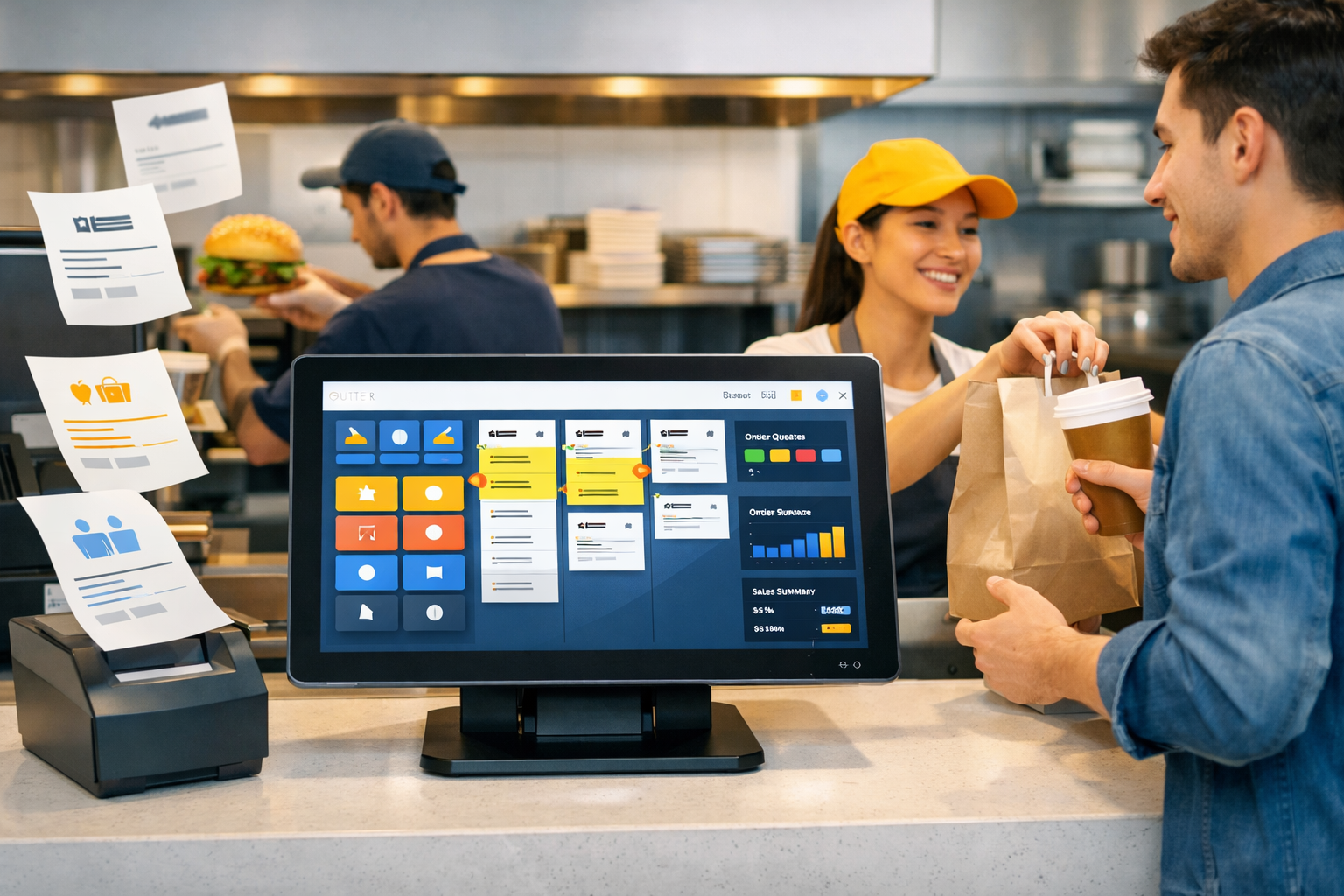
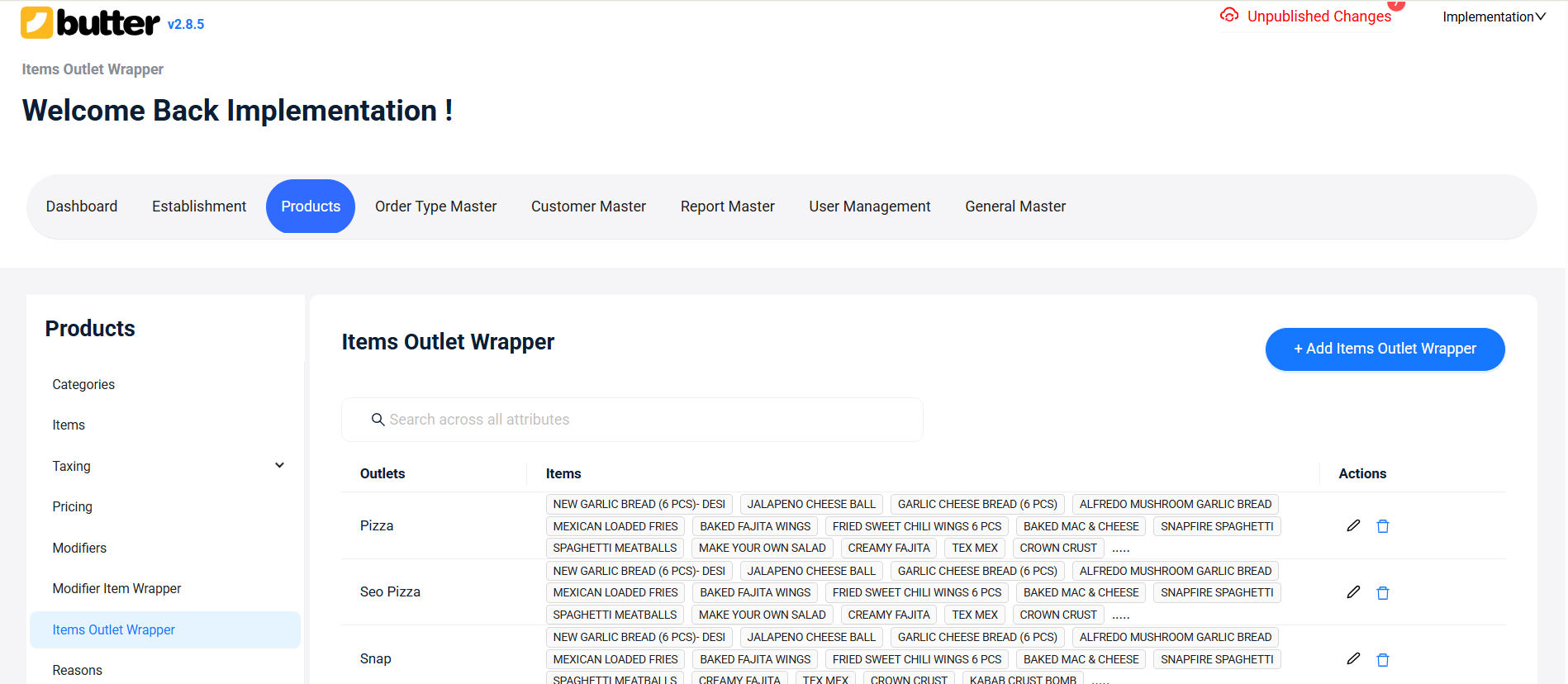
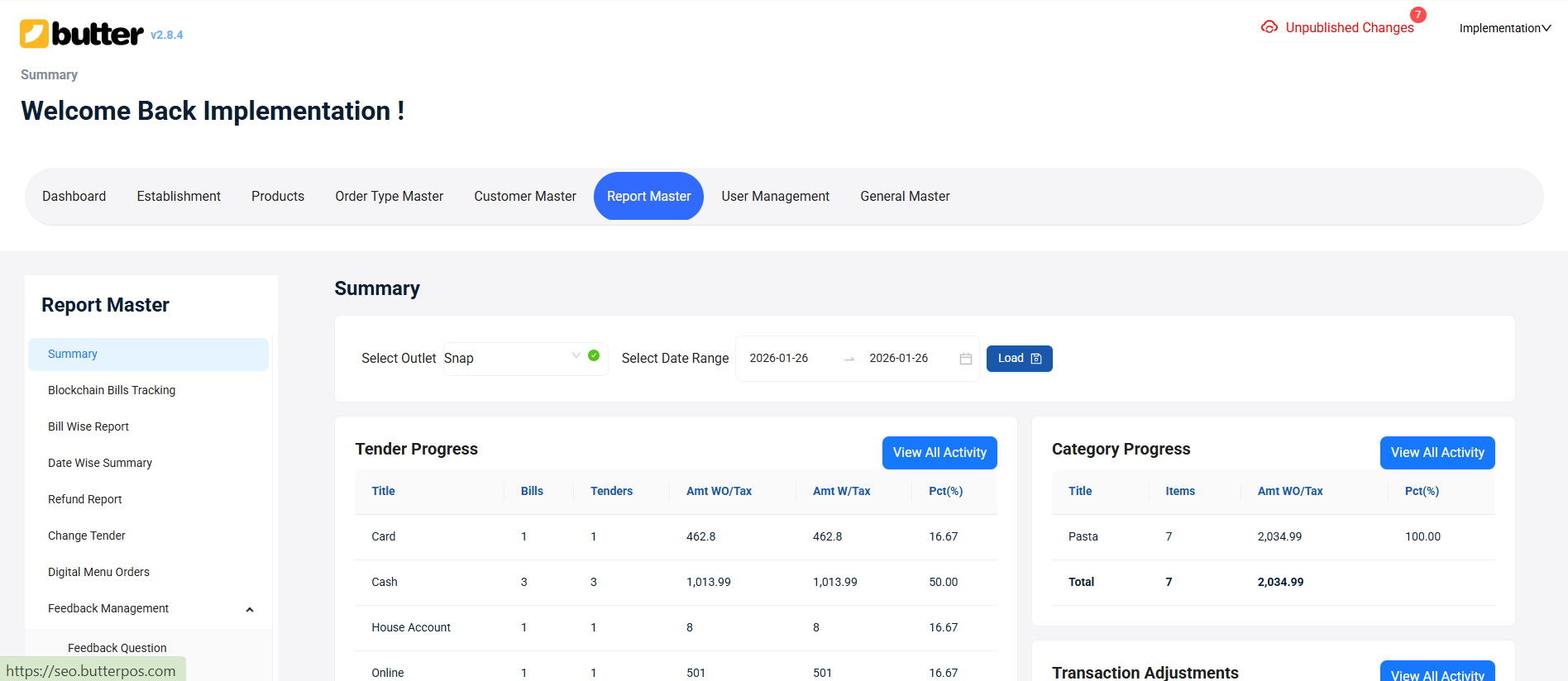
I installed Butter POS, and my life changed:
- Orders go straight to the kitchen.
- Bills are auto-generated and can be split easily.
- No more "he said, she said" drama.
- Sales and inventory insights — all in one place.

Technology Check
Avoid last-minute tech issues! Use this checklist to ensure all your systems and devices are working before the day starts.

3) Ignoring Feedback and Online Reviews
I used to get super emotional about bad reviews. Like bro, how dare someone say my wrap was "average"? I made that with love!
But then I realized — every review is a goldmine. Not a personal attack. Ignoring feedback was ignoring free advice.
Real Scenario:
One guest said, "Too noisy, couldn't enjoy my meal." I was like, "What am I supposed to do, give noise-cancelling headphones?" But then I installed a few sound panels and dimmed the music a bit — suddenly, more people started hanging out longer.
The Fix:
- Reply to all reviews (good & bad) with grace.
- Use feedback to improve ambiance, food, and service.
- Keep a suggestion box or QR feedback code on tables.
- Share positive reviews on your socials (they build trust).
Customer Survey Template
Collect honest feedback and improve your business with this easy-to-use survey template. Just download, customize, and start getting valuable insights!
4) Hiring Friends Instead of Staff
I get it — when you're starting your restaurant, you want to hire people you trust. But hiring your bestie as your manager? Trust me this will be your biggest mistake.
Friends can be loyal, but that doesn't mean they're skilled. I ended up with late openings, mood swings, and a manager who spent more time on Tinder than training the team.
Real Scenario:
I once had to step into the kitchen and manage tables at the same time because my "friend" manager decided to leave mid-shift, for a family dinner. I had no backup plan. Worst service night of my life.
The Fix:
- Always interview like it's a real job (because it is).
- Hire professionals, not just "buddies".
- Train thoroughly and have written rules.
- Set clear roles and KPIs.
Staff Briefing Checklist
Make daily team communication smooth and clear. Use this ready-made template to brief your staff quickly and keep everyone on the same page.
5) Not Setting Clear SOPs
I assumed everyone knew how things should be done. But, soon I realized that assumptions are dangerous.
Some waiters were offering free refills. One gave a customer a full refund because "they didn't like the color of the sauce." It was chaos.
Real Scenario:
A guest once asked for "extra spice." My chef put full ghost pepper on that dish. The customer's tongue went numb. I got a 1-star review titled: "The Fiery Fried Chicken."
The Fix:
- Create SOPs (Standard Operating Procedures) for every task.
- From greeting guests to closing the till, write it all down.
- Train your staff regularly using these SOPs.
- Review and revise them monthly.
6) No Daily Expense Tracking
In the first month, I thought we were doing great financially. Sales were happening, people loved the food. But at the end of the month…boom. No profit. In fact, I was at a loss. Where did the money go?
Real Scenario:
I found out that one of my suppliers was overcharging me for basic items. Since I never tracked daily expenses, it went unnoticed for weeks.
The Fix:
- Use Google Sheets or a free tool like Wave/Zoho to record expenses daily.
- Assign one person for daily cash flow tracking.
- Review weekly with your manager/accountant.
- Compare purchases vs actual usage.
7) Thinking I Can Do Everything Alone
I wore all the hats: owner, manager, marketer, host, cashier, even janitor. At first, it felt powerful. But soon, I was burnt out, frustrated, and making bad decisions.
Real Scenario:
One day, a customer asked me if I was okay — because I was serving food while sweating buckets, looking like I just ran a marathon. That night, I realized: that isn't sustainable.
The Fix:
- Build a small, reliable team.
- Delegate and trust them.
- Automate what you can (POS, reservations, payroll).
- Take one day off per week because your brain needs rest too.
8) Not Having a Budget Plan
When I first started, my budget plan was basically: "Don't worry, it'll all sort itself out." Spoiler alert: it didn't.
I was spending like a Netflix star, with new lights, premium chairs, expensive menu printing, and didn't realize that money was flying out faster than it came in.
Real Scenario:
One month, I had decent sales but literally couldn't afford to pay the rent. Why? I had no clue where the money went. That was the moment I realized "hope is not a strategy, a budget plan is".
The Fix:
- Create a monthly budget for fixed costs (rent, salaries, electricity).
- Set aside emergency cash (at least 1 month's expense).
- Track variable costs (inventory, marketing, packaging).
- Use a simple Excel or Google Sheet for planning.
9) Not Understanding Your Customers
I thought I knew what people wanted. So I made the menu I liked, heavy, rich food with zero healthy options. What I didn't realize? 40% of my audience were gym-goers or calorie-conscious office workers.
Real Scenario:
A group of 6 came in, looked at the menu, and said, "Is there anything that's not fried or butter-loaded?" I awkwardly said, "Uhh… water?" 😅
They left.
The Fix:
- Observe your regulars. What are they asking for?
- Run polls on Instagram stories like "Should we add vegan options?"
- Create a feedback form with a QR code on each table.
- Try new dishes as limited-time items to test popularity.
10) Skipping Legal Licenses
Let me be honest — paperwork sucks. So I thought, "I'll do all the license stuff later." But then, hello surprise inspection!
Real Scenario:
One day, a health officer came in and asked for a food safety license. I smiled and said, "Oh I'm still working on it." He smiled back and handed me a fine.
The Fix:
- Get your basic licenses (Here's the complete list of the essential licenses & permits).
- Display important ones near your entrance.
- Consult a local agent or CA to fast-track the process.
- Never operate in "hope nobody finds out" mode.
11) Not Building a Loyalty System
Repeat customers are pure gold. But I was so busy chasing new customers that I forgot about the ones who already loved me.
People who eat at your place 3–4 times? They're ready to come 30 more times — if you give them a reason.
Real Scenario:
One customer came in every Friday. In the 5th week, I gave him a free dessert "just because." Guess what? He brought 3 friends the next time — and those friends brought dates. Loyalty pays, literally.
The Fix:
- Start a punch card system (Buy 5, Get 1 Free).
- Offer a free drink or dessert on the 5th/10th visit.
- Create a simple WhatsApp broadcast group for offers.
- Use a POS system that tracks returning customers.
Final Thoughts
If you're just starting out, don't worry — mistakes are part of the game. But the faster you recognize them and fix them, the smoother your ride becomes. I made these 10 mistakes so you don't have to.
And hey, if you're looking for a POS system that understands the chaos of running a restaurant — Butter POS is your best friend. Trust me, I use it every day.
Get a Free Demo Now: https://butterpos.com/contact-us.
Frequently Asked Questions (FAQs)
Why do many new restaurant owners believe good food alone guarantees success?
Most first-time restaurant owners assume that taste is everything, but food quality is only one piece of the puzzle. Without visibility, marketing, and customer awareness, even excellent food goes unnoticed. Success comes from combining great food with promotion, accessibility, and a strong brand presence.
How can lack of marketing hurt a new restaurant?
Without marketing, potential customers simply don't know your restaurant exists. No social media presence, no online listings, and no promotions mean fewer walk-ins. Marketing creates curiosity, trust, and momentum, especially during the early months when foot traffic is critical.
Why is avoiding a POS system a common beginner mistake?
New owners often see POS systems as an unnecessary expense, but manual processes fail quickly under pressure. Without a POS, orders get mixed up, payments go missing, and tracking sales becomes nearly impossible, leading to operational confusion and revenue loss.
How does a POS system improve daily restaurant operations?
A POS system streamlines order flow, billing, inventory, and reporting. Orders reach the kitchen instantly, bills are accurate, and management gets real-time insights. This reduces errors, improves speed, and keeps staff accountable during busy hours.
Why do new restaurant owners struggle with online reviews?
Many owners take negative reviews personally instead of viewing them as feedback. This emotional reaction causes them to ignore or avoid reviews altogether, missing valuable insights that could help improve service, food, or ambiance.
Should negative reviews be taken seriously?
Yes. Negative reviews often highlight real issues customers experience. When addressed correctly, they become opportunities to improve operations, fix blind spots, and show future customers that the business listens and cares.
Is hiring friends risky for restaurant businesses?
Hiring friends can blur professional boundaries. While trust exists, skill gaps, lack of accountability, and emotional conflicts often affect performance. Restaurants need consistency and discipline, which can be difficult to enforce with close personal relationships.
What is a better approach to hiring restaurant staff?
Treat hiring as a professional process. Conduct interviews, define roles clearly, set expectations, and train staff properly. Hiring based on skill and reliability ensures smoother operations and better customer experiences.
Why do restaurants fail without clear SOPs?
Without SOPs, staff rely on assumptions, which leads to inconsistent service. One employee may handle situations differently than another, causing confusion, customer complaints, and operational inefficiencies.
What areas should restaurant SOPs cover?
SOPs should cover customer greetings, order handling, food preparation standards, complaint resolution, billing, refunds, and closing procedures. Clear documentation ensures everyone follows the same process.
Why do many restaurants lose money despite good sales?
Sales numbers don't equal profit. Without tracking daily expenses, owners fail to notice over-ordering, wastage, or supplier overcharging. These small leaks add up quickly and eat into profits.
How can daily expense tracking improve profitability?
Daily tracking provides visibility into where money is going. It helps identify unnecessary spending, control inventory, and make informed financial decisions before problems grow larger.
Why is trying to do everything alone harmful for restaurant owners?
Handling every role leads to burnout and poor judgment. Exhausted owners make mistakes, miss opportunities, and struggle to maintain service quality. Sustainable businesses rely on systems and delegation.
What tasks should restaurant owners delegate early?
Daily operations, billing, inventory tracking, and staff scheduling should be delegated or automated. This allows owners to focus on growth, strategy, and customer experience.
How does the absence of a budget affect new restaurants?
Without a budget, spending becomes impulsive. Owners overspend on décor, equipment, or marketing without understanding cash flow. This often leads to rent issues, unpaid bills, and financial stress.
What should a basic restaurant budget include?
A solid budget includes fixed costs like rent and salaries, variable costs like inventory and marketing, and emergency funds. Planning ensures stability during slow periods.
Why do many restaurant menus fail to attract customers?
Owners often design menus based on personal taste rather than customer demand. This mismatch causes customers to leave without ordering, reducing sales and repeat visits.
How can restaurant owners understand customer preferences better?
Observing ordering patterns, collecting feedback, running surveys, and testing limited-time items help owners align menus with customer expectations and trends.
What legal mistakes do new restaurant owners commonly make?
Delaying licenses and permits is a frequent error. Operating without proper documentation can lead to fines, forced closures, and loss of credibility with customers and authorities.
Why is a customer loyalty system important for restaurants?
Repeat customers drive consistent revenue. Loyalty programs encourage return visits, increase lifetime value, and turn regular guests into brand advocates who bring in new customers.



 Region: United States


